An Iliad
By Lisa Peterson and Denis O’Hare
Adapted from Homer’s Iliad, Translated by Robert Fagles
Directed by Damien Ryan

Sydney Theatre Company acknowledges the Gadigal of the Eora nation who are the traditional custodians of the land and waters on which the Company gathers. We pay our respects to Elders past and present, and we extend that respect to all Aboriginal and Torres Strait Islander people with whom we work and with whom we share stories.
Welcome from Artistic Director,
Mitchell Butel

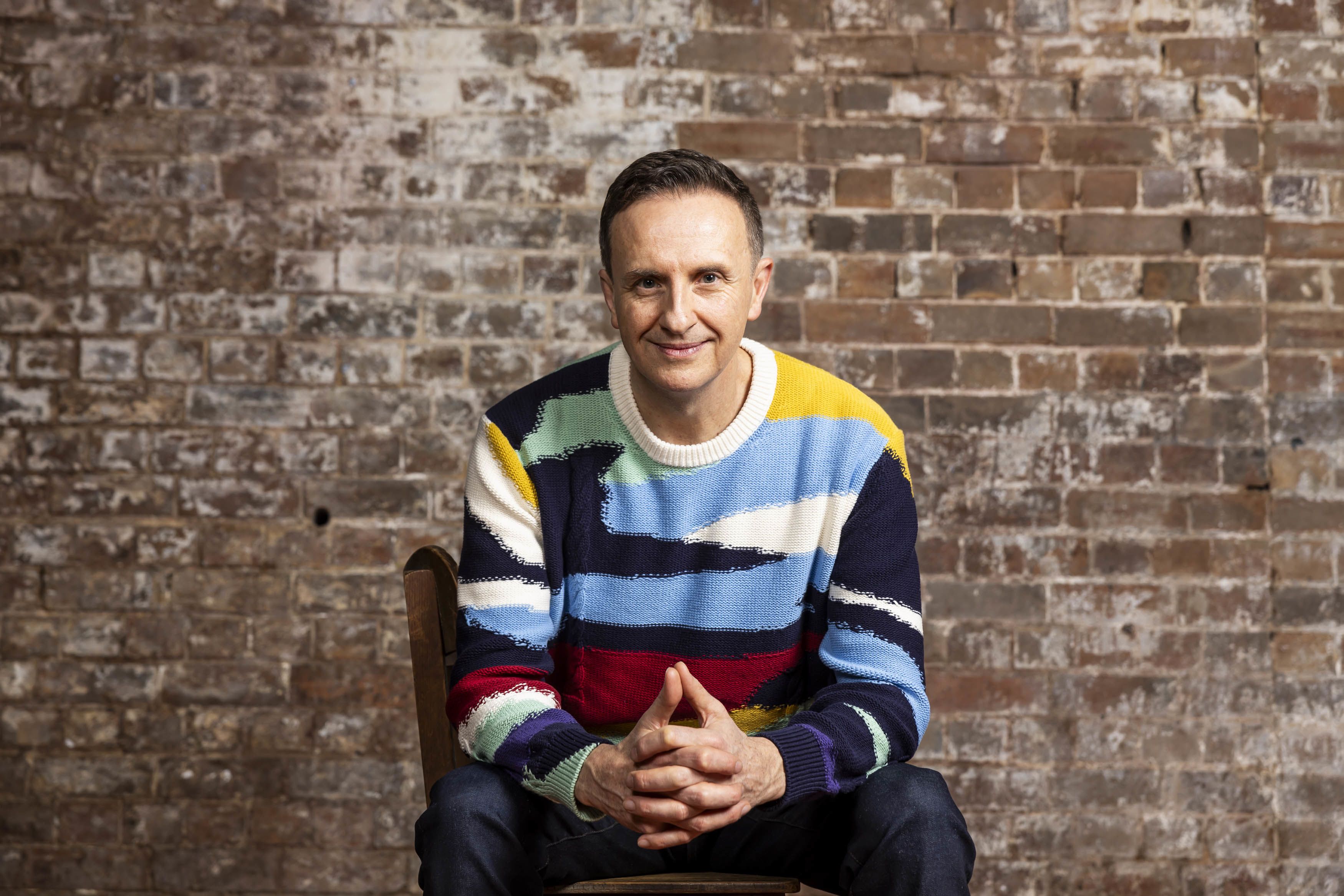
Mitchell Butel
Mitchell Butel
“Every time I sing this song, I hope it’s the last time”.
So says the 2000-year-old poet at the centre of An Iliad who travels the world trying to understand and trying to end the continuity of humanity’s violence through history.
The reasons for the violence may change but what they activate invariably leads to a destruction we might have avoided.
The poet asks:
“What drove them to fight with such a fury? Oh ... the gods, of course .... Um ... pride, honour, jealousy ... Aphrodite ... some game or other, an apple, Helen being more beautiful than somebody - it doesn’t matter. The point is, Helen’s been stolen, and the Greeks have to get her back.”
An Iliad by Lisa Peterson and Denis O’Hare is a melding of Homer’s original tale and a contemporary investigation of war and its effects. It asks what generates rage and what might end it. Peterson writes:
“For once, Achilles, who is addicted to rage - as so many of us are, really, when it comes right down to it - this fighting man feels the rage well up in his heart . . . and he makes it disappear. How did he do that?”
"The reasons for the violence may change but what they activate invariably leads to a destruction we might have avoided."
We are excited about the team gathered to ask you these questions in one of the most celebrated plays of our times.
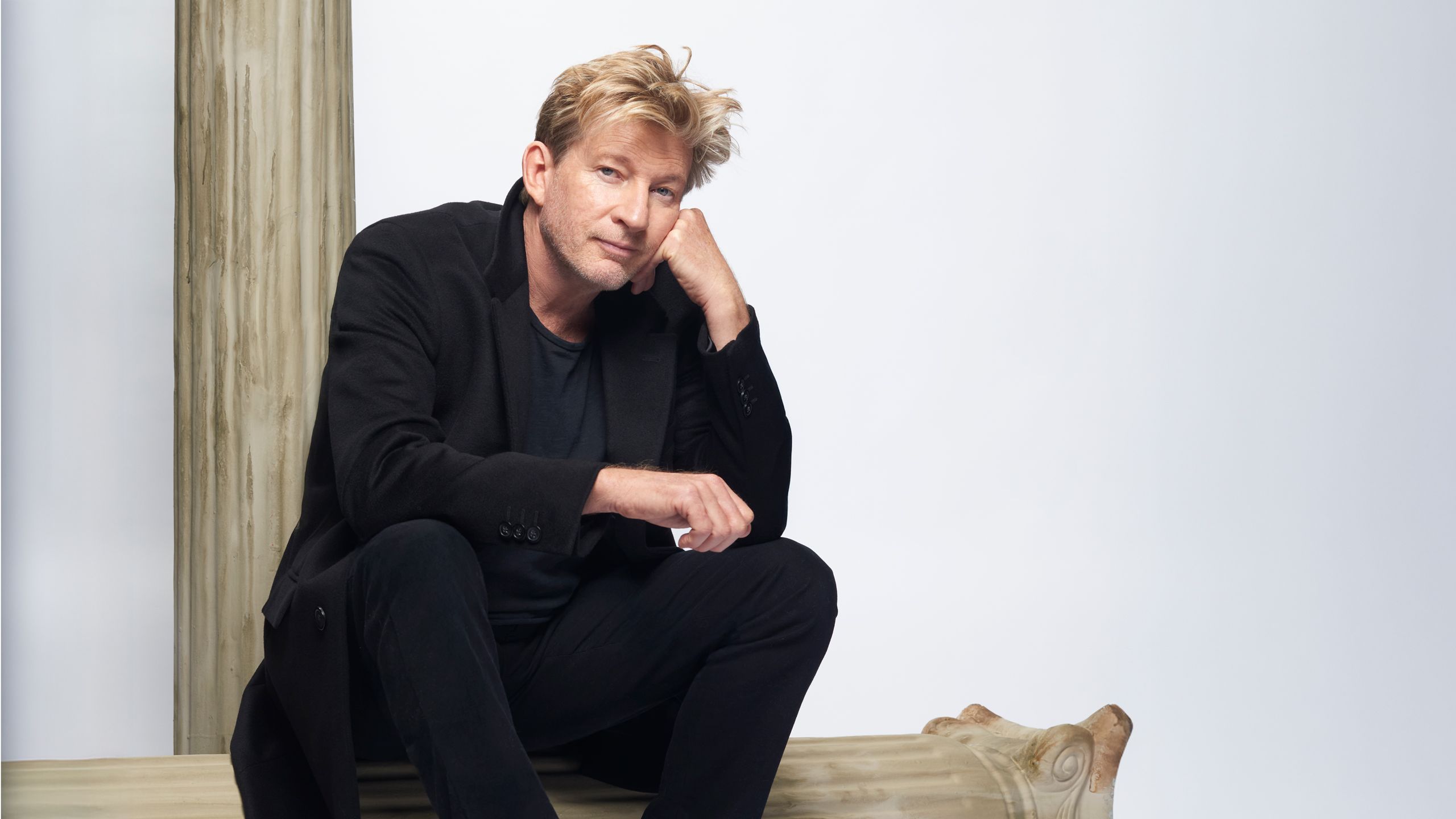
David Wenham is one of our finest actors – his early career turns in plays like Gordon Graham’s The Boys and Louis Nowra’s Così awoke the nation to his brilliance, and he has blazed on stages and screens ever since. It has been many years since Sydney Theatre Company has been able to lure him back to us and I’m thrilled that he now returns in such a smart, humane, wry and timely work.
It’s a similar thrill to see Damien Ryan, acclaimed actor, director and Artistic Director of Sport for Jove to return to STC to direct and lead this production with an expert team.
It is not for nothing that the theatre and the parliament sat next to each other in Ancient Greece. The theatre is the place where we can embody the horror and challenge and darkness within us and seek to understand and lessen it, so that our leaders might listen and then act.
We hope the provocations of this tale you’re about to see might have a similar impact for you.
Mitchell Butel
Artistic Director and Co-CEO
Sydney Theatre Company
Cast & Creative Team
Cast
The Poet
David Wenham
The Musician
Helen Svoboda
Creative Team
Director
Damien Ryan
Designer
Charles Davis
Lighting Designer
Alex Berlage
Composer
Helen Svoboda
Sound Designer
Brady Watkins
Associate Director
Ian Michael
Greek Language Consultant
Deborah Galanos
Illusions & Magic Consultant
Adam Mada
Voice & Text Director
Charmian Gradwell
Illusions & Magic Associate
Bruce Glen
Production Team
Production Manager
Alexandra Moon
Stage Manager
Tim Burns
Assistant Stage Manager
Yasmin Breeze
Costume Coordinator
Scott Fisher
Backstage Wardrobe Supervisor
Nicole Artsetos
Wardrobe Day Maintenance
Hazel Fisher
Drafting
Dallas Winspear
Lighting Supervisor
Tim McNaught
Lighting Programmer
Sam Scott
Lighting Operators
Sam Scott
Hannah Aylett
Props Supervisor
Jason Lowe
Scenic Art Supervisor
Ron Theissen
Set Construction Supervisor
Boaz Shemesh
Deputy Head of Construction
Joseph Gleeson
Sound Supervisor
Ben Andrews
Sound Operators
Madalyn Henly
David Trumpmanis
Mic Technician
Chaii Ki Chapman
Staging Supervisor
David Tongs
Mechanist
Nathan Williams
Rehearsal Photography
Daniel Boud
100 mins, no interval
AN ILIAD was originally developed as part of the New York Theatre Workshop Usual Suspects Program, Off-Broadway premiere produced by New York Theatre Workshop (Jim Nicola, Artistic Director; William Russo, Managing Director) in 2012.
AN ILIAD was originally produced by Seattle Repertory Theatre (Jerry Manning Producing Artistic Director; Benjamin Moore, Managing Director).
This production premiered on 17 Apr 2026 at Wharf 1, Sydney Theatre Company.
It was subsequently produced by McCarter Theatre Center, Princeton, NJ (Emily Mann, Artistic Director; Timothy J. Shields, Managing Director; Mara Isaacs, Producing Director).
AN ILIAD was developed in part with the assistance of the Sundance Institute Theatre Program.
AN ILIAD is presented by special arrangement with United Talent Agency.


Production Patron
Gretel Packer AM

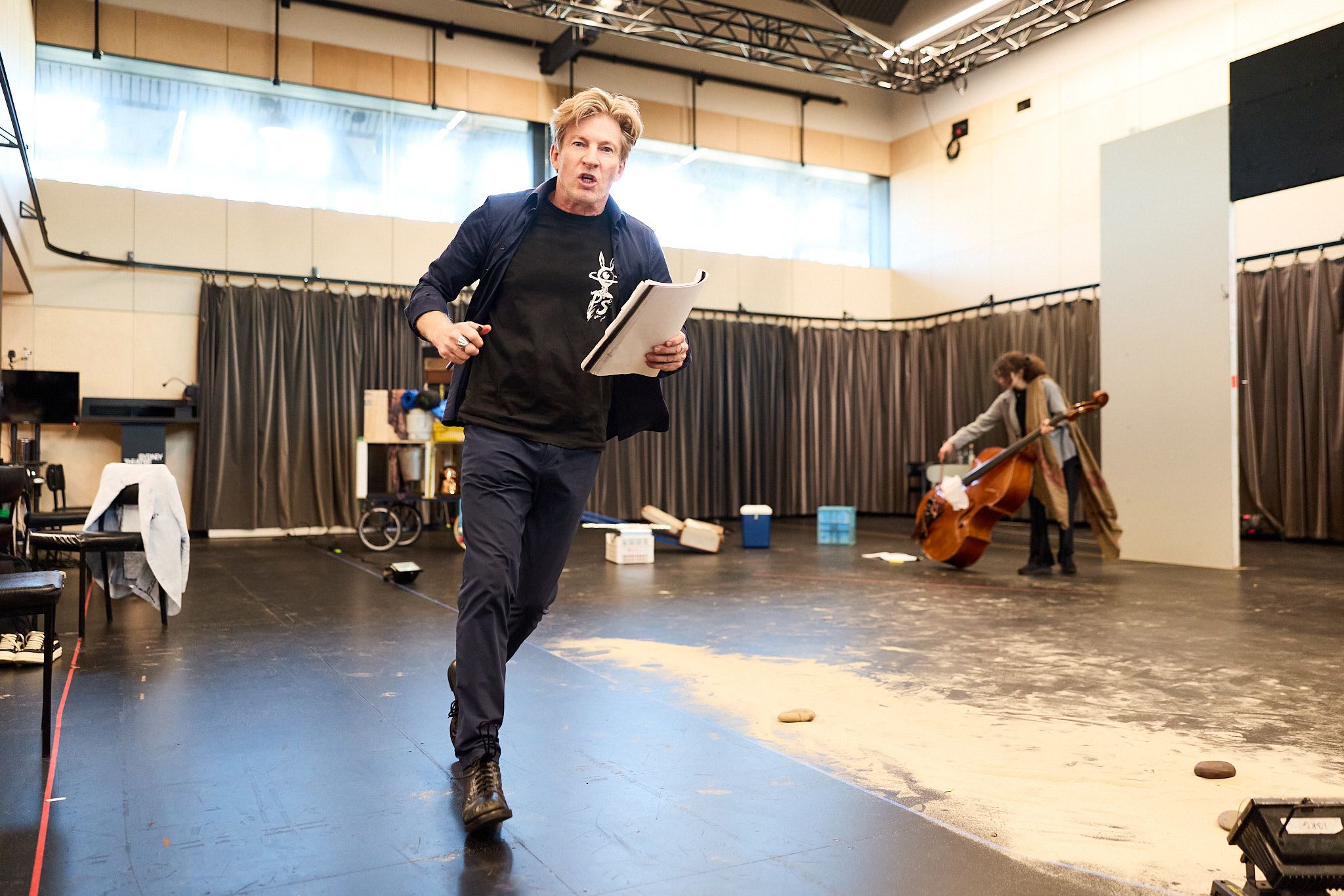
David Wenham
Synopsis
In this powerful adaptation of Homer’s epic, a lone poet takes the stage to recount the story of the Trojan War. Drawing on both ancient verse, modern language and dynamic musical interlude An Iliad transforms Homer's sweeping saga of heroes, gods, and battles into an urgent and deeply personal story.
As the Poet relives the cost of war, he is haunted by the endless cycle of violence that spans from ancient Troy to today's headlines. The performance shifts between vivid retellings of mythic events and impassioned reflections on humanity’s enduring thirst for conflict. As he Poet reflects, there is music infused throughout the play, woven within the epic tale. The Musician works alongside the Poet as his shadowing companion.
The burden of telling the tale again and again ways too heavily on The Poet and he makes a final attempt to stop telling the story.
Writer's Note
Lisa Peterson & Denis O'Hare
We began talking about creating An Iliad not long after the United States invaded Iraq in 2003. We were both thinking about war, and plays about war – thinking that at the time, the best thing a theatre artist could do was to find a way to talk about what it means to be a country at war. A work as monumental as Homer’s Iliad is not easily reducible to one or two themes. To say that it is an anti-war tract is as wrong-headed as saying that it is an epic about the glory of war. When we started grappling with this work, attempting to form our own theatrical narrative, we did so using two distinct lenses: the lens of pacifism – summed up by the idea that war is a waste, and should be eradicated; and the lens of humanism – the idea that human nature is warlike, and can’t be changed. We let these two tensions battle it out in the person of our narrator.
Most people think of The Iliad as an epic poem, not a play. We had both studied it as a work of literature, not a piece of theatre – but the more we read about the ancient oral tradition and Homer, the more convinced we became that the staggering tale of the Trojan War really was spoken out loud and passed from storyteller to storyteller for centuries before it was ever written down. Since our desire was to give an audience the sensation of being present at the very invention of this epic story, we found ourselves hearkening back to the bards of old, recalling campfire mesmerists, ghost-story purveyors, even con-men. Our narrator is one of a long line of vagabonds, or perhaps he is the original vagabond: a man (or woman) who ekes out a living by begging a crowd to stop, listen, and imagine for a while. The Poet is an ancient teller of tales who might still exist in the universe, doomed to tell the story of the Trojan War until the day when human nature changes, when our addiction to rage comes to an end, when the telling of a war story becomes unnecessary. Of course that day that has yet to come. It's distressing to be writing this note in 2026, as the U.S. has plunged the world into yet another major violent conflict.
An Iliad started out as an examination of war and man’s tendency toward war. In the end, it also became an examination of the theatre and the way in which we still tell each other stories in order to try to make sense of ourselves. Someone started telling the story of the Trojan War over 3,000 years ago. We pass it on.
March 2026
Director's Note
Damien Ryan
As the twentieth and twenty-first centuries have made painfully clear, those who return from war do not simply come home – they require a way to arrive. They require an instrument through which grief can be shared, witnessed, and made communal. In Homer’s Iliad, Priam, King of Troy, leads the great warrior Achilles toward the transformation of private anguish into shared human recognition. Not victory, not resolution – but the simple communalising of grief. And if an older person cannot inspire compassion and empathy in a younger one, then the act of generation, the task of parenting, globally, is truly lost.
This is perhaps the essential challenge of the play. “Sing,” the Poet implores us, “in memory of all those who gathered under Troy.” And yet he cannot remember.
Or rather, he cannot remember in the way we might expect. The struggle of the Poet in this play is not simply one of recall, but of meaning. We do not lack information; we lack understanding. We do not need to remember – we need to learn. What he is trying to summon is perhaps not a sequence of events, but an emotional truth: the shape and consequence of human rage. The forgetting here feels like a kind of emotional dementia – a refusal, or an inability, to fully recognise what we already know.
Because we do know.
We know the cost of rage.
Homer’s 3000-year-old song of the fall of Ilium (the Anatolian city of Troy) begins not with a thrilling event or battle, a sense of place or time, even an atmosphere, but with an emotion – “rage” – an abstract and debilitating state we are all susceptible to. Homer’s “rage”, or μῆνις (mēnis) in Greek, has a very specific definition - an overwhelming wrath, and importantly, one we typically think is righteous. In other words, that we are right to be angry. In the current age of outrage, that definition has an unsettling prescience as we continue to demonstrate – on battlefields, in political discourse, in media, online, and in our daily lives – we persist in believing that our rage is justified. Like Achilles, we feel so morally certain. But what do we destroy, even in the process of being right, when rage is our argument?
The very next lines of the poem release the hideous consequences of that emotion – a chain reaction all too familiar to the many people on this planet who are currently caught in the terrifying chaos of armed conflict. The rage of Achilles – that universal, almost divine rage that belongs to us all – foments untold and immediate suffering for ordinary people – soldiers and civilians, whole communities of them. The poem is at pains to express that right from the outset. Within three lines we get the violent wrenching of human ‘souls’ from human bodies, which in turn are left rotting and unmourned above the earth, while their names and identities are buried and lost forever. The paths of death and destruction rage unleashed in the opening three lines of ancient dactylic hexameter in this poem are so capriciously indiscriminate that we can only wonder, as the Greeks did, whether the Gods are somehow playing at random with our fates.
In this beautiful piece of writing, An Iliad, Lisa Peterson and Denis O’Hare peel back the layers of Homer’s epic song to express a fundamental principle within it – that this is not literature, it’s anything but – it’s performance and it’s memory, a feat of memory, not just for the actor, but for all of us if we accept its true challenge. It’s something we need to remember, in order that we may share it, that we must share it, or be doomed to re-enact it, its rage and consequences, again and again and again, the world over. But just as the Poet at the centre of this play can’t remember the story, nor can we, because in our collective amnesia, we simply fail to learn from it. It demands of us a divine capacity to remember, it demands inspiration, it’s too much for an individual, it needs a divine universal memory to hold it – it needs us all to help. According to the UN, of the 195 countries it recognises, 93 are currently fighting wars beyond their borders, and 23 more enduring bloody civil wars – more than half the planet is still on that Trojan beach. Like the Poet, we just can’t continue to sing this song.
Your presence tonight as an audience forces the actor, curses the actor, to tell this story again, but you are also its source of hope. The play’s vertical journey to a place very far away brings us so very close to home and to who we are as global citizens at this moment. And it’s a remarkably apt piece for David Wenham – his gifts as a storyteller, his wonderful voice, his versatility, power and range, his comedy and pathos, and above all his exceptional capacity to capture that ‘everyman’ quality, to make characters belong to us, which is so important to ancient, heavy, canonical thing that we are all ‘supposed’ to read – The Iliad. Peterson and O’Hare’s vision of Homer's Wilfred Owen-come-contemporary-war-correspondent-come-modern-poet-come-Odysseus still trying, after several millennia, to get ‘home’ from the war, from the trauma of a thousand lifetimes bearing witness to human rage and frailty and pride, is disturbingly profound and tangible and humane.

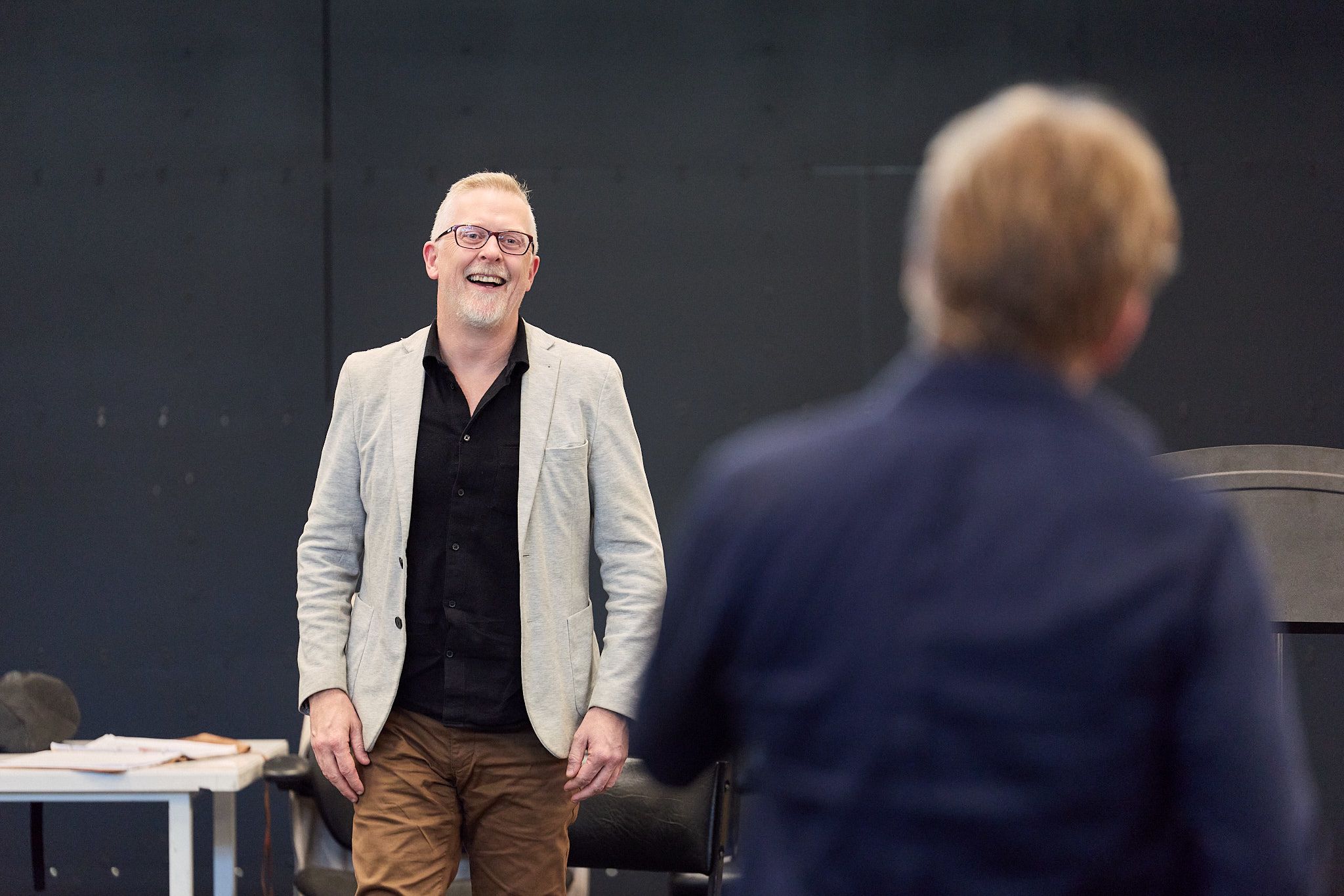
Damien Ryan
Damien Ryan
"It’s something we need to remember, in order that we may share it, that we must share it, or be doomed to re-enact it"
The story of Troy is, in many ways, the foundational story of Western literature: the first great city, the ideal city, and the first great annihilation. Its very name is bound to the idea of making and unmaking – to construct and to destroy. Troy becomes a pattern, endlessly repeated across history: a civilisation built and unbuilt through conflict. And yet The Iliad was morally ambiguous to classical Greek culture, and to many modern scholars, understood and argued for in two distinctly opposing ways: as a justification for force—i.e. when threatened, we must meet force with greater force, we must get a bigger gun—or as a warning against exactly that, recognising that force inevitably yields only grief, and that rage cannot be dissolved by rage, but painfully and absolutely, by compassion, by shared recognition of our mutual suffering.
The poem itself traces the lifecycle of that rage with devastating clarity. But in telling the story, we tried every day to remind ourselves not to mistake rage for drama. Rage is an annihilating force; it makes nothing, it only unmakes the very structures – social, emotional, civilisational – that we depend upon. The true theatrical force of this piece lies perhaps in the repeated and insistent question the Poet asks of us – “Do you see?” That question might be the heart of the play. And might well be the entire reason for theatre itself.
This work is not really a monologue therefore. It may appear to be a one-person play, but in truth it is a duet – a dynamic, living exchange between words and music, in this case between David and the brilliant Helen Svoboda, but really between us and our muses, our inspirations, which really means between the performers and the audience – “Oh, please, Oh Muses, don’t make me do this alone”. We need each other.
This feels particularly vital when we consider how rarely this story is actually encountered in its original form. In the months leading up to this production, I found myself asking anyone I came across a simple question: have you ever read The Iliad? I asked many hundreds of people and only found six who had. Six! And yet, almost all expressed the same response: I’ve always meant to. And I think that’s entirely logical and appropriate. The Iliad was never meant to be read alone. It was meant to be heard. Shared. Experienced collectively in a room, collapsing the distance between then and now.
There is an image by the great Australian poet Les Murray, in An Absolutely Ordinary Rainbow, in which a man begins to weep in Martin Place, Sydney and the whole world stops around him:
“There’s a fellow weeping down there.
…weeps not like a child, not like the wind…
does not declaim it, nor beat his breast, nor even
sob very loudly--yet the dignity of his weeping…
and when he stops, he simply walks between us
mopping his face with the dignity of one man who has wept, and now has finished weeping.
Evading believers, he hurries off down Pitt Street.”
That image has stayed with me throughout this process. Because in many ways, that is what this play asks us to do: to stop, to look, and to allow ourselves to feel. To see. Not just the scale of human suffering, but our place within it.
This is why we are here. Not to impress, but to illuminate. Not just to enact theatre, but to enact its purpose.
Do you see?
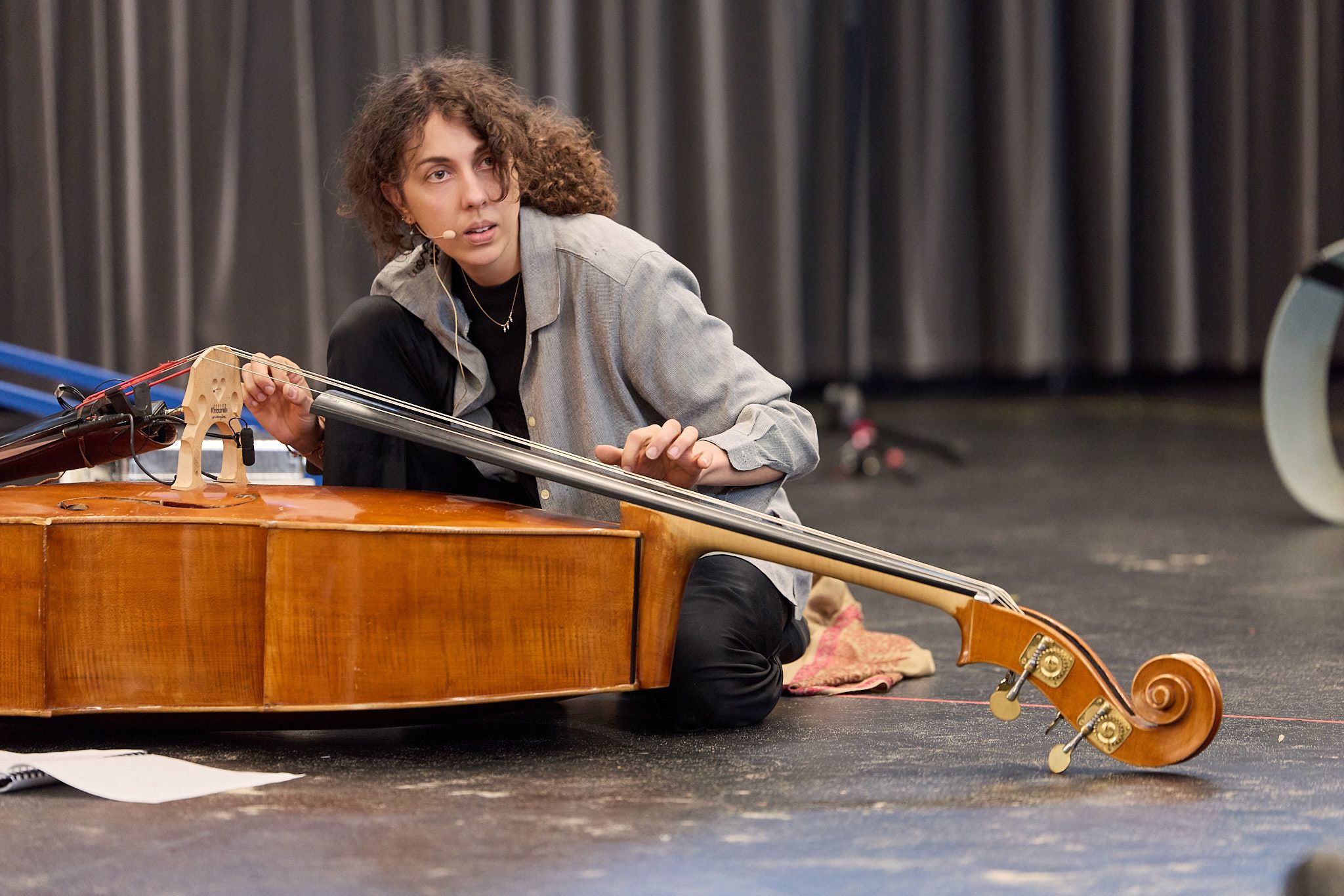
Helen Svoboda
Helen Svoboda
Biographies

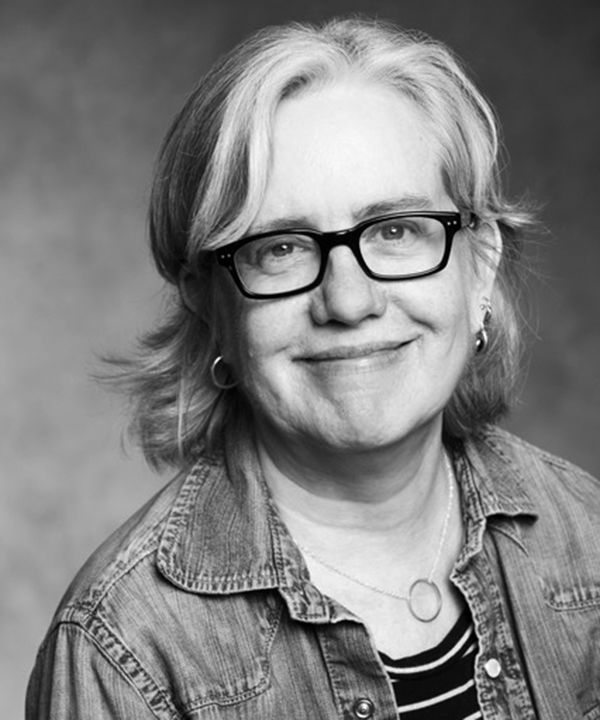
Lisa Peterson
Writer
Lisa Peterson is a two-time OBIE Award-winning writer/director. Her works include An Iliad, written with Denis O'Hare (NYTW, OBIE and Lortel Awards); The Good Book (co-written with O'Hare, Court Theater, and Berkeley Rep); Song of Rome (Spoleto Festival), Odyssey (The Acting Co) and The Waves (NYTW, NYS&F). Lisa is renowned for directing new plays and classics across the country; recently she directed the world premiere of Doug Wright's Good Night Oscar on Broadway and the West End. She is a recent recipient of the Gordon Davidson Award for Lifetime Achievement.
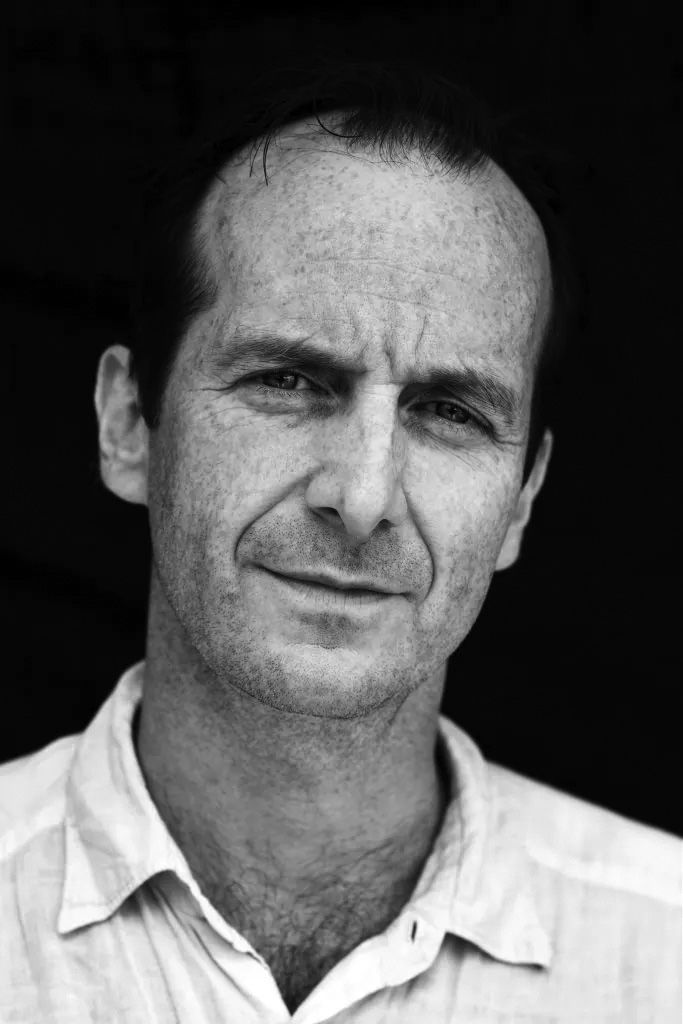
Denis O'Hare
Writer
Denis O'Hare is the recipient of the Outer Critics' Circle Award and the Lucille Lortel Award for his play, An Iliad. He also received an Obie Award for his performance in the play. As an actor, he was nominated for an Emmy Award for his role on This Is Us and has been twice nominated for his performances on American Horror Story. His other notable television appearances include his roles on The Boroughs, Evil, The Nevers, Trying, True Blood, American Gods, The Good Wife, When We Rise, Brothers and Sisters, and Big Little Lies (SAG Award nomination, Ensemble in a Drama Series). He won the Tony Award for his performance in Richard Greenberg's Take Me Out (Obie Award, Drama Desk Award, Outer Critics Circle Award, Lucille Lortel Award) and was also nominated for his work in the revival of Stephen Sondheim's Assassins. His other stage credits include Here We Are, Sweet Charity (Drama Desk Award), Cabaret, Inherit the Wind, Major Barbara, Elling, Racing Demon, Hauptmann, Into the Woods, Ten Unknowns, his performances at London's National Theatre in the title role of Tartuffe as well as a reprisal of his New York premiere of Here We Are. His various film credits include Infinite Storm, Swallow, Late Night, The Postcard Killings, The Goldfinch, Novitiate, The Normal Heart, Dallas Buyers Club (SAG Award nomination, Cast in a Motion Picture), The Proposal, Duplicity, Milk (SAG Award nomination, Cast in a Motion Picture; Critic's Choice Award, Best Acting Ensemble), Changeling, Charlie Wilson's War, Michael Clayton, A Mighty Heart, Half Nelson, Garden State, 21 Grams, The Anniversary Party, Private Life, and The Parting Glass of which he is also the screenwriter.


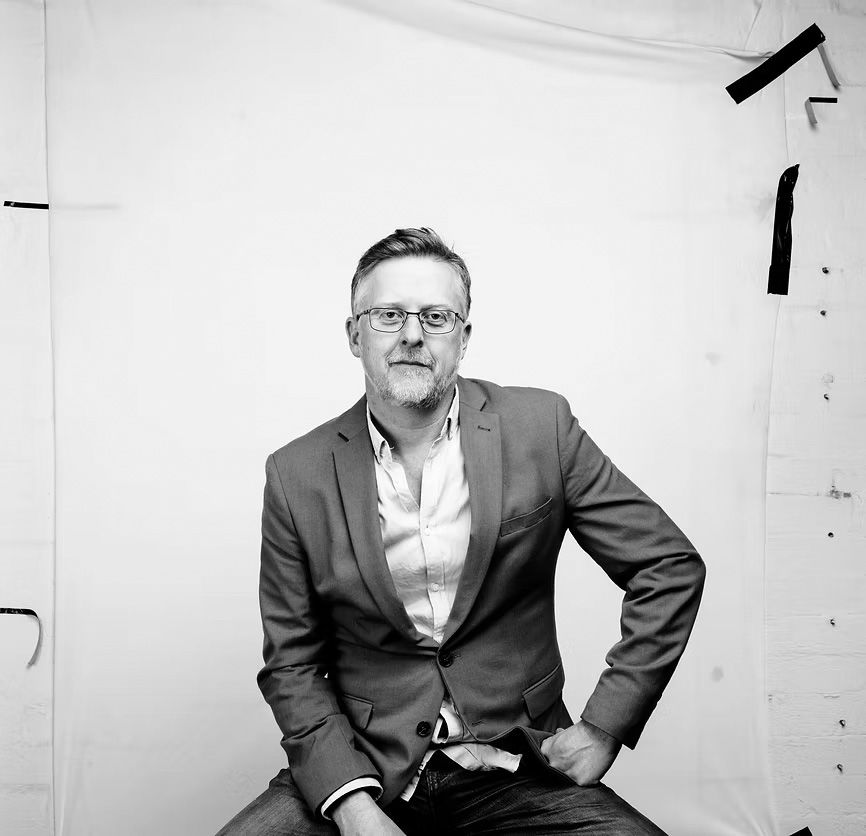
Damien Ryan
Director
Damien Ryan
Sydney Theatre Company: The Father (STC/ MTC). Other Theatre: As Director: Sydney Opera House (Gooding and Woodward Productions) The 39 Steps. Bell Shakespeare: Hamlet, Henry V, Henry IV Parts 1&2 with John Bell, Romeo and Juliet; QTC: As You Like It, Taming of the Shrew (QT). Ensemble Theatre: Mr. Bailey’s Minder, A Christmas Carol. Hayes Theatre: Bright Star (with Miranda Middleton). Sport for Jove: Venus and Adonis (Feature Film and Stage Production), The Player Kings: Shakespeare’s History Cycle, The Comedy of Errors, Rose Riot, No End of Blame, Merchant of Venice, Antigone, Antony and Cleopatra, Henry 4, Richard 3, The River at the End of the Road, Cyrano de Bergerac, Othello, The Tempest, Romeo and Juliet, Away, The Taming of the Shrew, Macbeth, Love’s Labour’s Lost, The Importance of Being Earnest, The Crucible, A Midsummer Night’s Dream, All’s Well That Ends Well, Twelfth Night, Hamlet, The Libertine. Old Fitz: Isolde and Tristan, Look Back in Anger. As Actor: Belvoir: A Mirror, Nora, Twelfth Night, Life of Galileo. Bell Shakespeare: As You Like It, Antony and Cleopatra, Richard 3, Comedy of Errors, Hamlet. SAT: Crime and Punishment, Under Milk Wood . Harlos: Mother Courage, Isolde and Tristan, Hamlet, King Lear. Sport for Jove: Timon of Athens, Othello, Macbeth, The Tempest, Cyrano de Bergerac, Julius Caesar. As Writer: Prometheus & two award winning plays published with Currency Press Film: Seven Snipers Positions: Founder and Artistic Director of Sport for Jove Theatre Awards: Damien has won many Sydney Theatre, Green Room and Glug awards. Pronouns: he/him
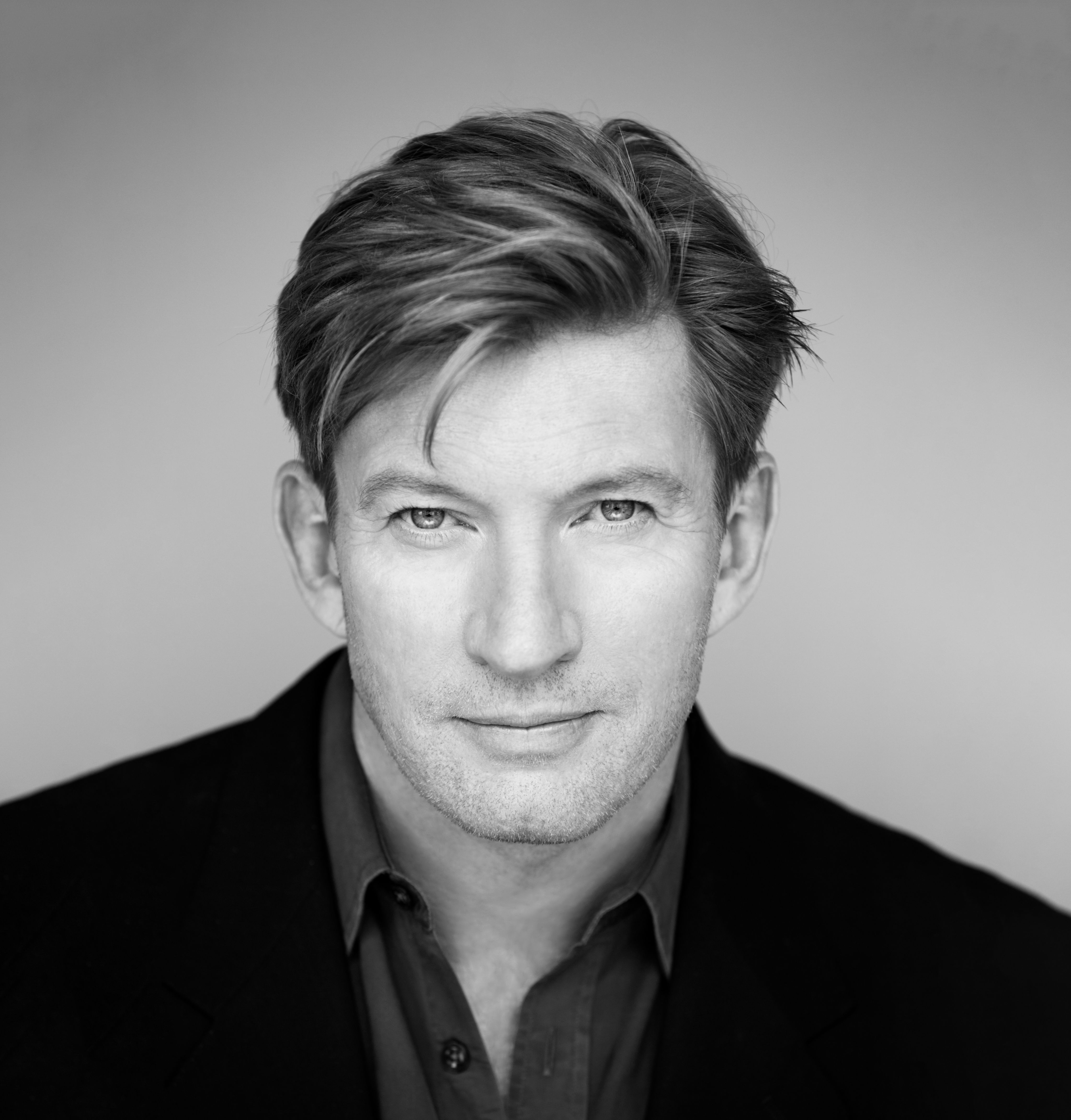
The Poet
David Wenham
Sydney Theatre Company: Tartuffe, ART (co-production with John Frost Productions). Other Theatre: MTC: The Crucible, Cyrano De Bergerac, True West. Company B: The Seagull, Hamlet, Splendids, The Tempest. Belvoir: Hamlet, Cosi, The Headbutt. Adelaide Festival: Songs From The Yellow Bedroom. Griffin Theatre Company: The Boys. The Old Vic: A Christmas Carol. Seymore Centre and National Tour of Germany: Tale of a Tiger. Film: Moulin Rouge, Australia, Elvis, The Lord of the Rings, 300, Goldstone, Lion, Pirates of The Caribbean, Peter Rabbit, Spit, Gettin’ Square, A Dog’s Show, Public Enemies, The Proposition. TV: Fake, Top of The Lake, Pieces of Her, Killing Time, Romper Stomper, Banished, Iron First, Wake in Fright, Les Norton, Faraway Downs, Seachange. Awards: 2023 Green Room Award (A Christmas Carol), 2003 Film Critics’ Circle of Australia Award for Best Actor (Gettin’ Square), 2003 Inside Film Award for Best Actor in a Feature Film (Gettin’ Square), 2003 AFI Award for Best Actor in a Leading Role (Gettin’ Square), 2004 SAG Award for Outstanding Performance by a Cast in a Motion Picture (Lord of the Rings: The Return of the King), 2006 AFI Award for Best Lead Actor in a Television Drama (Answered by Fire).
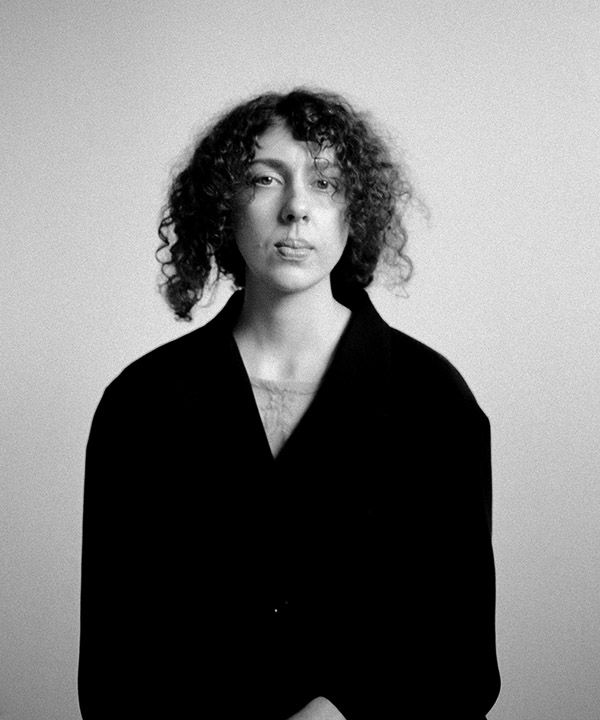
Helen Svoboda
The Musician &
Composer
Sydney Theatre Company: Debut. Film: The Odd River (Angus Kirby), The Scatterer (Felix Lovell). As Composer/Performer: Abbotsford Convent presented by Musica Viva Australia & Melbourne Fringe Festival: Headwater, The Elevator Child – album recording by MEATSHELL, Lava – album by Pang Halina, I Heard the Clouds – solo album, Vegetable Bass – solo album. Positions: Musica Viva Australia Future Maker (2023–24), Resident Artist – Helsinki International Artist Programme (2023), Australian Music Centre MOMENTUM Commissions (2023), Australian Art Orchestra Pathfinder Associate Artist (2020–21). Awards: 2020 Freedman Jazz Fellowship, 2020 Maastricht Jazz Award, 2019 Award for Innovation in Music (NL) with MEATSHELL (Peaceful Co-Existence), 2019 LD Music Awards Best Jazz Song (The Biology of Plants). Training: Griffith University – Bachelor of Music (Honours); ZUYD University, Conservatorium Maastricht – Master of Music. Pronouns: She/Her.
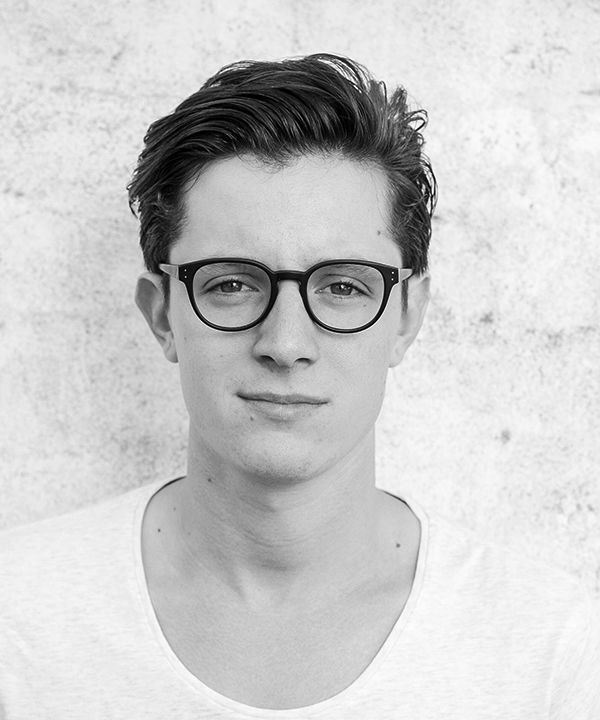
Charles Davis
Designer
Sydney Theatre Company: The Importance of Being Earnest, Do Not Go Gentle, Rules for Living, No Pay? No Way!, The Real Thing, The Wharf Revue 2021, The Wharf Revue 2019, The Wharf Revue 2018. As Associate Set Designer: Muriel’s Wedding: The Musical (with Global Creatures). Other Theatre: Bell Shakespeare: Twelfth Night. The Australian Ballet: Circle Electric. Stephanie Lake Company: The Chronicles, Manifesto. Bangarra Dance Theatre: Illume. Queensland Ballet: Elastic Hearts. Ensemble Theatre: Buyer & Cellar, The Kitchen Sink, Widow Unplugged. New Theatricals: Art. Darlinghurst Theatre Company: An Act of God. Griffin Theatre Company: Smurf in Wanderland (with National Theatre of Parramatta). Redline Productions: The 7 Deadly Sins + Mahagonny Songspiel, Happy Days, The Whale. Seymour Centre: Unfinished Works. Darwin Festival: A Smoke Social. Squabbalogic: The Dismissal. Opera Australia/Queensland Opera/West Australian Opera: Rusalka, La Traviata. Opera Queensland/West Australian Opera: La Bohème. Pinchgut Opera: Médée, The Coronation of Poppea, Artaserse. Sydney Chamber Opera: Breaking Glass, Biographica, Oh Mensch!. Queensland Conservatorium: Hansel and Gretel.
As Associate Set Designer Positions: Opera Australia: Carmen, The Merry Widow. : Lecturer and mentor at NIDA. Awards: Mike Walsh Fellowship. Training: NIDA; Monash University.
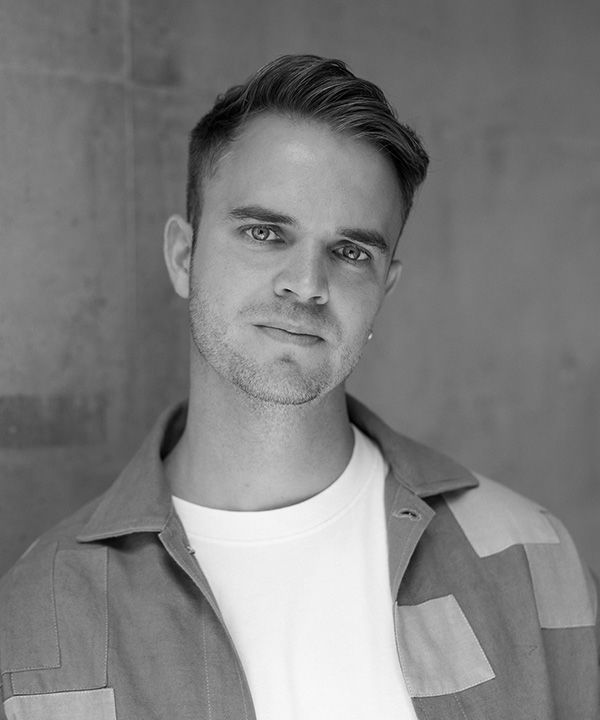
Alexander Berlage
Lighting Designer
Sydney Theatre Company: The Importance of Being Earnest, Julia, Hubris & Humiliation, RBG: Of Many, One, Lord of the Flies, Lethal Indifference, Cloud Nine. Other Theatre: Pinchgut Opera: Platée. Belvoir/State Theatre Company of South Australia: Dance Nation. Birmingham Royal Ballet/Sadler’s Wells/Queensland Ballet: A Brief Nostalgia. Opera Australia/Queensland/Circa: Orpheus and Eurydice. Circa: Wolf, Peepshow, Duck Pond, Son. Sydney Festival/Seymour Centre: Museum of Modern Love. Griffin Theatre Company: Dead Cat Bounce, Good Cook. Friendly. Clean., Nosferatutu or Bleeding at the Ballet, Thomas Murray and the Upside-down River. Sydney Chamber Opera: Aphrodite, Earth. Voice. Body., Awakening Shadow, Antarctica, Fumeblind Oracle, Poem for a Dried Up River, Breaking Glass, La Passion de Simone, The Shape of the Earth, Victory Over the Sun, An Index of Metals (Associate Lighting Designer). Sydney Dance Company: New Breed (2018 - 2025), Somewhere Between Ten and Fourteen. Queensland Ballet: Elastic Hearts, Gemini. Australasian Dance Collective: Lucie in the Sky. Australian Dance Theatre: Faraway. Ensemble Theatre: Unqualified, Marjorie Prime, The Kitchen Sink, Buyer & Cellar. National Theatre of Parramatta: Grounded. Old Fitz Theatre: Exit the King, Stalking the Boogeyman, 4:48 Psychosis, there will be a climax, Doubt, The Bitter Tears of Petra von Kant, The Whale, Howie the Rookie. Hayes Theatre: American Psycho, Cry-Baby, High Fidelity, Dogfight. Old 505 Theatre: Home Invasion, The Block Universe, Hilt. ATYP: War Crimes, Between Us. Belvoir 25a: The Overcoat. Outhouse Theatre Co/ Seymour Centre: Gloria. KXT: Ironbound. As Director: Darlinghurst Theatre Company: Let the Right One In. Old Fitz Theatre: A Streetcar Named Desire, Hand to God, there will be a climax. Sydney Chamber Opera: Future Remains, Resonant Bodies, Diary of One Who Disappeared, The Shape of the Earth. Gondwana Choirs: Hypnopompia. Hayes Theatre: Women on the Verge of a Nervous Breakdown, Young Frankenstein, American Psycho, Cry-Baby. Outhouse Theatre Co/Seymour Centre: Gloria. Old Fitz Theatre: Hand to God, there will be a climax. An Assorted Few: Home Invasion, The Van de Maar Papers. NIDA: Mr Burns; a post-electric play, there will be a climax. Other: 2014 Watermill Center International Summer Program, New York. Awards: 2023 Sydney Theatre Award for Best Direction of an Independent Production (A Streetcar Named Desire), 2019 Sydney Theatre Award for Best Direction of a Musical (American Psycho), 2018 Sydney Theatre Award for Best Direction of a Musical (Cry-Baby), 2019 Sydney Theatre Award for Best Lighting Design of an Independent Production (American Psycho), 2017 Sydney Theatre Award for Best Lighting Design of an Independent Production (4:48 Psychosis), 2013 Peter Baynes Memorial New York Scholarship, 2014 Leslie Walford AM Award and 2019 Mike Walsh Fellowship. Training: NIDA.
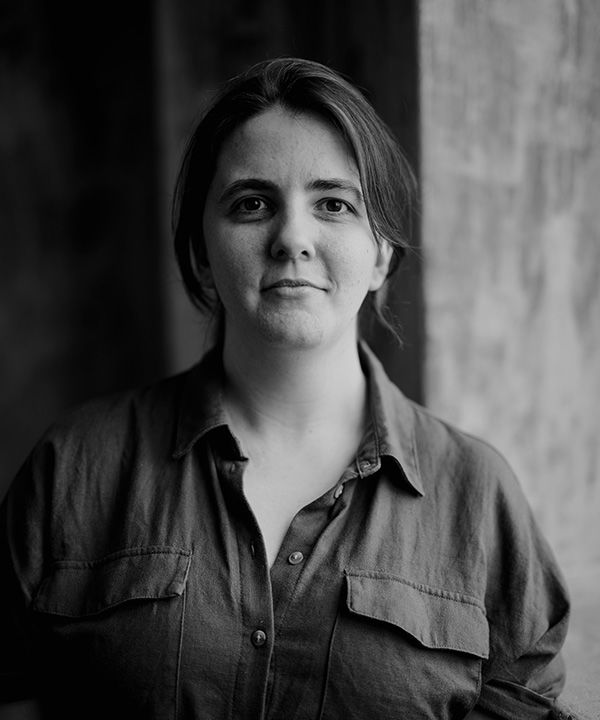
Brady Watkins
Sound Designer
Sydney Theatre Company: Debut. Other Theatre: As Composer and/or Sound Designer: Queensland Theatre Company: Round The Twist: The Musical, The Appleton Ladies Potato Race, Tiny Beautiful Things, First Casualty, Othello, Bernhardt/Hamlet; Woodward Productions/Neil Gooding Productions: Shirley Valentine, The 39 Steps, The Complete Works of William Shakespeare Abridged; Dead Puppet Society: The Riddle of Washpool Gully, We’re All Gonna Die, SWARM; Prospero Arts: Sweet Charity; La Boite: Antigone, Macbeth, Fancy Long Legs, The Last Five Years, Away, The Neighbourhood; Belvoir Street Theatre: Tiny Beautiful Things; World Science Festival: Arena Atomica: Skate-ology, Night of the Nerds; THAT Production Company: Dance Nation, Sea Wall; Offside Theatre: Sexual Misconduct of the Middle Classes; PlayLab: Unconditional. As Associate Sound Designer or Sound Realiser: Queensland Theatre Company: A Few Good Men; Belloo Creative: Back to Bilo; Dead Puppet Society: The Wider Earth – 2022 National Tour. As Dramaturg: La Boite Theatre Company: Antigone. As FOH Sound Operator: Prospero Arts: Sweet Charity; Woodward Productions: A Very Naughty Christmas – Melbourne, Edges: A Song Cycle; STCSA/QTC: Who’s Afraid of Virginia Woolf. As Ableton Programmer: QPAC & Brisbane Festival: Bananaland. Positions: Sound Associate – Queensland Theatre Company 2022-24; Resident Composer/Sound Designer – La Boite Theatre Company 2021-22. Training: Queensland Conservatorium of Music. Pronouns: She/Her.
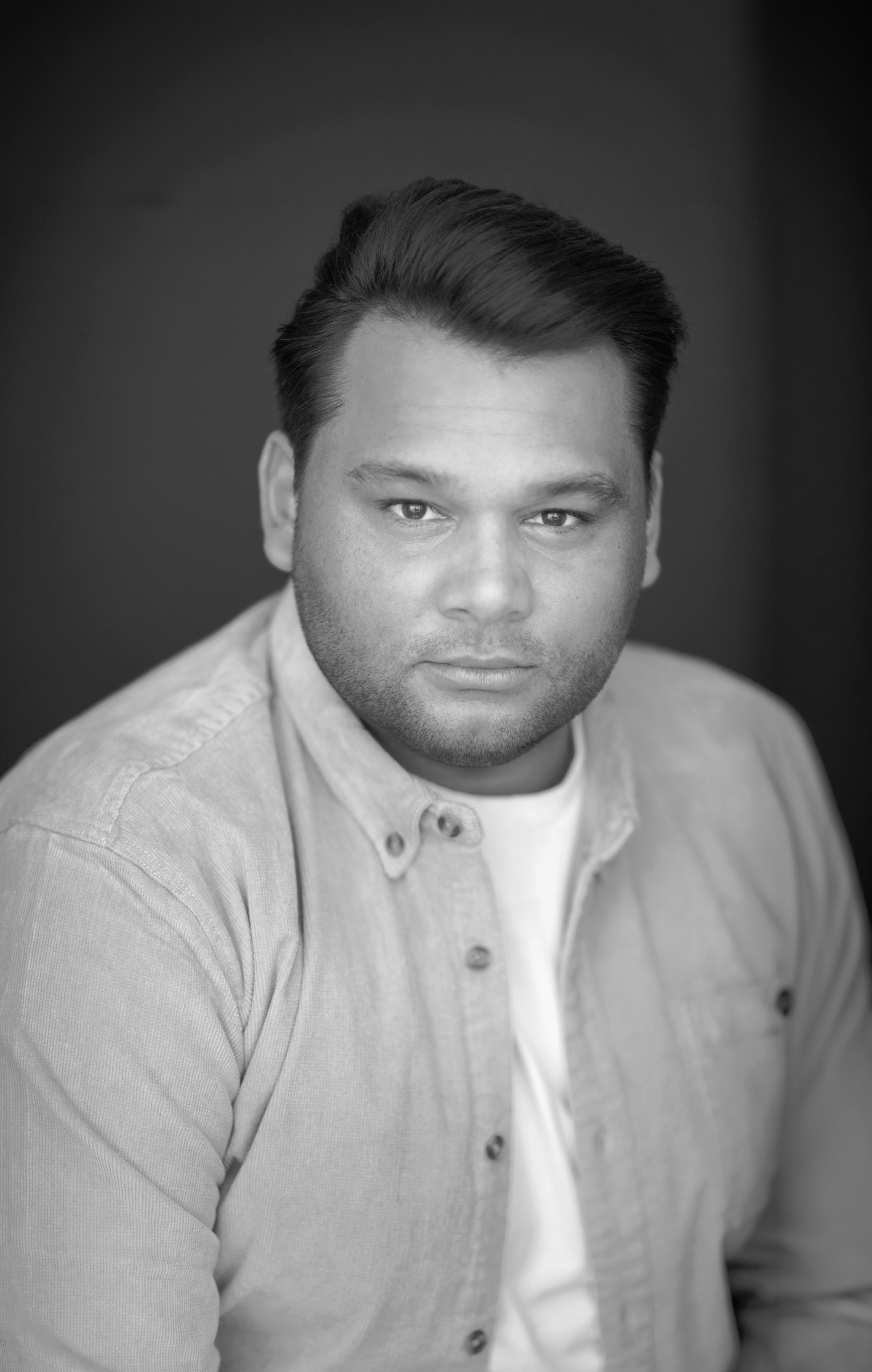
Ian Michael
Associate Director
Sydney Theatre Company: As Director: Constellations, Stolen, Associate Director: The Picture of Dorian Gray, Dracula (Sydney & London), Strange Case of Dr Jekyll and Mr Hyde (also toured to Perth Festival and Adelaide Festival), Sweat, The President, The Seagull, The 7 Stages of Grieving. Other Theatre: As Director: Belvoir: Big Girls Don’t Cry (2025). Griffin Theatre Company: Sistren (2025). Black Swan State Theatre Company: The Bleeding Tree. The Blue Room Theatre: The Bleeding Tree. As Associate/Assistant Director: Black Swan State Theatre Company: The Cherry Orchard, Skylab (with Yirra Yaakin Theatre Company). As Script Consultant: Lyric Hammersmith: Our Country’s Good. As Actor: Black Swan State Theatre Company: The Tempest, City of Gold, Our Town, Cloudstreet, Let the Right One In. Griffin Theatre Company: Blaque Showgirls. Malthouse: Blak Cabaret, Cloudstreet. Melbourne Theatre Company/Melbourne Ring Cycle: The Kid. Yirra Yaakin: The Noongar Shakespeare Project. She Said Theatre: HART. Ilbijerri Theatre Company: Northwest of Nowhere. As Writer: Black Swan State Theatre Company: York (with Chris Isaacs). Critical Stages/Paines Plough: Another Day in the Colony. HART (with Seanna van Helten).Positions: Resident Director – Sydney Theatre Company; Richard Wherrett Fellow (2022–2023); Resident Artist – Black Swan State Theatre Company (2018–2020); Artistic Associate and Curator of the Maali Festival – Black Swan State Theatre Company (2021); Besen Family Artist – Malthouse (2017). Awards: The Nick Enright Prize for Playwriting (York); 2022 PAWA Awards – Outstanding Direction of an Independent Production and Best Independent Production (The Bleeding Tree); 2021 The Blue Room Awards – Award for Direction and Members’ Choice (The Bleeding Tree); CHASS Australia Prize; Green Room Awards (HART); Melbourne Fringe Awards; Adelaide Fringe Awards. Training: Western Australian Academy of Performing Arts. Ian is a proud Noongar man.
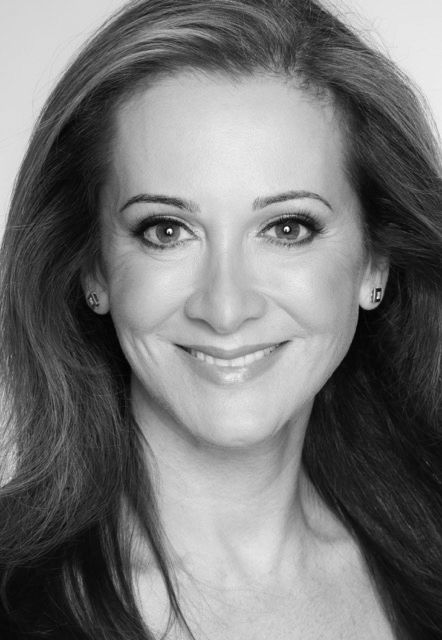
Deborah Galanos
Greek Language Consultant
Sydney Theatre Company: As Actor: Sweat, The Shearston Shift (with Australian People’s Theatre). Other Theatre: As Actor: Belvoir: Tell Me I’m Here, The Boomkak Panto, Stop Girl. Belvoir 25A: The Italians, Son of Byblos, Greek Tragedy. Griffin Theatre Company: Wicked Sisters, Lady Tabouli (with National Theatre of Parramatta and Sydney Festival). State Theatre Company South Australia: Gods of Strangers. Ensemble Theatre: The God Committee, The Heartbreak Kid. Sport for Jove: Timon of Athens, Romeo & Juliet, Antigone. Darlinghurst Theatre Company: I’m With Her, The Mystery of Love & Sex. Old Fitz Theatre: Born on a Thursday (with New Ghosts), The Cherry Orchard (with Secret House), Metamorphoses (with Apocalypse), Dropped (with The Goods), The House of Ramon Iglesia (with MopHead). Bontom: Unfinished Works, Homesick. Secret House: Seagull. Burberry Productions/Picture This Productions: Mum’s the Word (and tours). Sydney Festival: Boswell for the Defence (and tours). theatrongroup: Who’s Afraid of Virginia Woolf? Qtopia: Saints of Damour. Mardi Gras: Elegies for Angels, Punks and Raging Queens, The Vagina Monologues. Musical Theatre: Sydney Opera House: Hilary Bell’s All Aboard: Alphabetical Sydney (and tour). Hayes Theatre/JR Productions: Bonnie & Clyde. Film: Self Love, Cool Off, Finally Me, Seeds of Gold, Omar & Dawn/Yannis, Chasing Comets, Razzle Dazzle, No Worries, Cavity, Inside Out, The Premonition, Balls.TV: Dalliance, Bad Ancestors, Pulse, My Place, Redfern Now, Rake, Children’s Hospital, Police Rescue, G.P., Camp, Murder Call, A Country Practice, All Saints, Home & Away, Boys from the Bush. Awards: 2025 Sydney Theatre Award for Best Performance in an Independent Production. Training: NIDA; University of Sydney; Trinity College, UK.
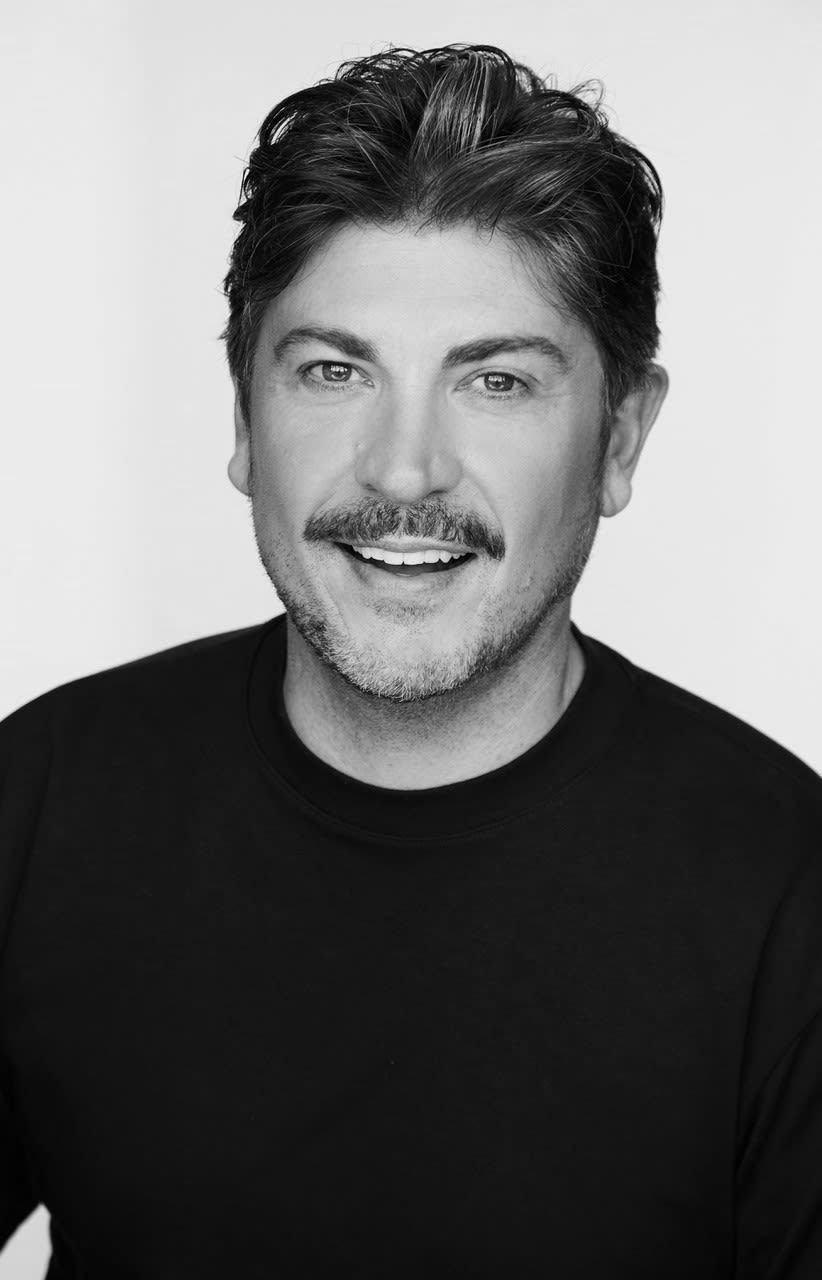
Adam Mada
Illusions & Magic Consultant
Sydney Theatre Company: The Tempest, Blithe Spirit, Edward Gant’s Amazing Feats of Loneliness. Other Theatre: The Elocution Of Benjamin Franklin, The Spare Room, Siegfried & Roy The Unauthorised Opera, Lord of the Rings - A Musical Tale, The Master & Margarita, The Metaverse Of Magic, Harry Potter and The Cursed Child - Parts 1 and 2, Wicked The Musical (Hamburg). NIDA: Stars, Perfect Stranger, Digital Theatre Festival. Opera Australia: Siegfried & Roy - The Unauthorised Opera, The Tales Of Hoffman. Sydney Opera House: Mada’s Magic Marvels. Merrigong Theatre Reboot Grant: Seamless. Sydney Festival: Poof! - Secrets of a Magician. Monkey Baa Theatre: Possum Magic. National Drama Centre Singapore: The Chamber of Secrets. Marco Panzic’s Dream Dance (National tour). Merrigong Theatre Company: The Outside Man. WAAPA: The Threepenny Opera. Film: Sleeping Beauty. TV: WONKA - the Golden Ticket - Netflix, America’s Got Talent, Magic Mayhem, Australia’s Got Talent, The Extraordinaries, The Gentleman's Guide To Knife Fighting, Books: Tips,Tricks,TikTok & Good Vibes, Empire of Enchantment, Siren. Positions: Adam is the founder and director of Magic Inc.
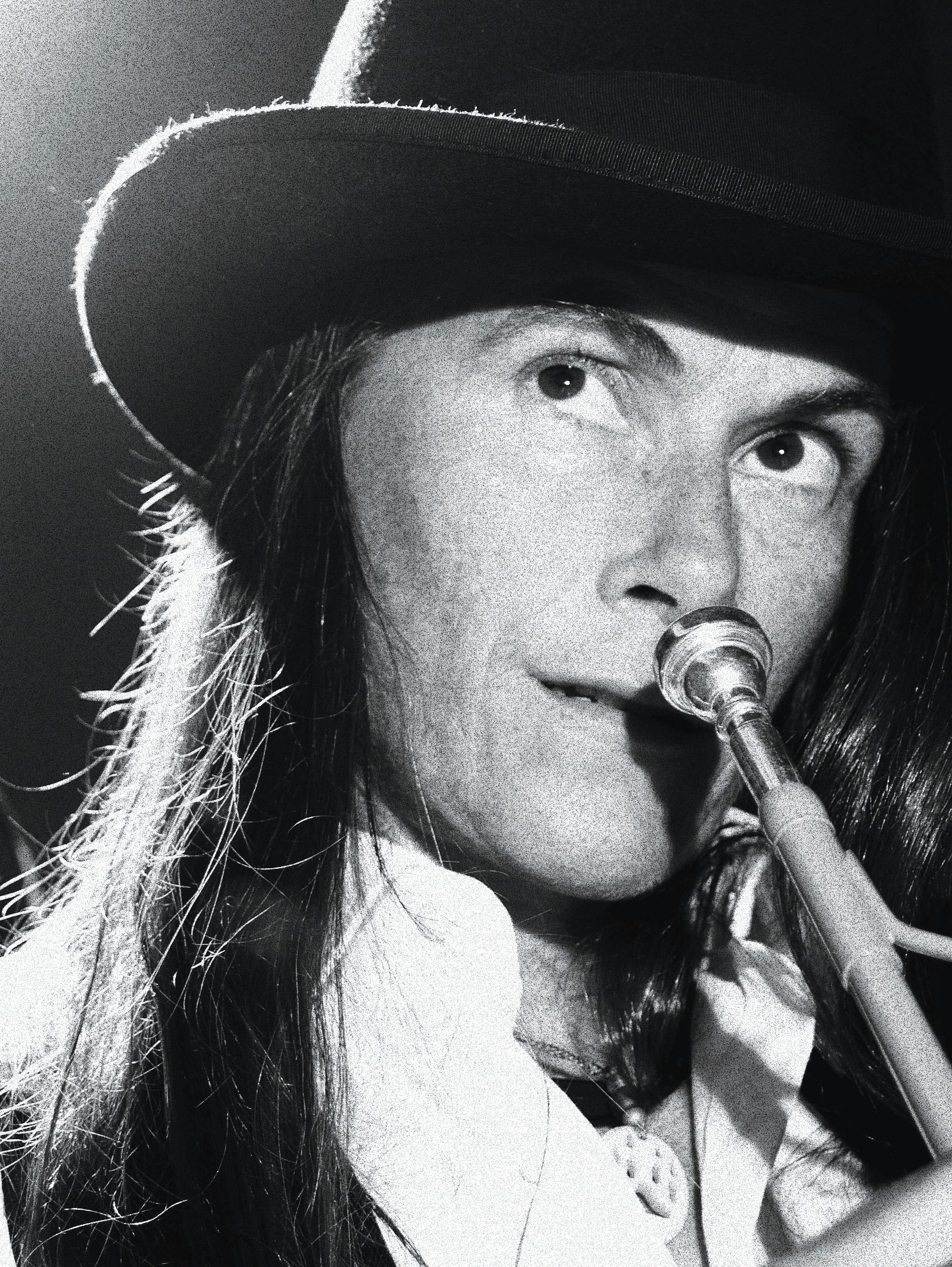
Charmain Gradwell
Voice & Text Director
Sydney Theatre Company: The River, The Normal Heart, Purpose, Circle Mirror Transformation, Happy Days, Picnic at Hanging Rock, 4000 Miles, Sweat, The President (with Gate Theatre, Dublin), No Pay? No Way!, Into the Shimmering World, Dear Evan Hansen (with Michael Cassel Group), Dracula, Stolen, A Fool in Love, The Seagull, The Importance of Being Earnest, Constellations, Do not go gentle..., Fences, The Tempest, The Lifespan of a Fact, Strange Case of Dr Jekyll and Mr Hyde, Fun Home (with MTC), The Beauty Queen of Leenane, Mary Stuart, Accidental Death of an Anarchist, The Harp in the South, The Long Forgotten Dream, Saint Joan, Blackie Blackie Brown (with Malthouse Theatre), Still Point Turning, The Resistible Rise of Arturo Ui, Lethal Indifference, Top Girls, Dinner, The Father (with MTC), Black is the New White, Talk, Chimerica, A Flea in Her Ear, All My Sons, Disgraced, Hay Fever, Arcadia, The Golden Age, King Lear, The Present, Suddenly Last Summer, After Dinner, The Long Way Home, Travelling North, Machinal, Waiting for Godot, Romeo and Juliet, Rosencrantz and Guildenstern Are Dead, Storm Boy (with Barking Gecko), The Maids, Mrs Warren’s Profession, Sex with Strangers, Under Milk Wood, Gross und Klein, Bloodland, In the Next Room (or The Vibrator Play), Uncle Vanya, A Streetcar Named Desire, The War of the Roses, Tot Mom. As Director: The Comedy of Errors. Other Theatre: As Voice & Text Coach: QT: Triple X (with Sydney Theatre Company). Royal Shakespeare Company: The Taming of the Shrew, Julius Caesar, The Tempest, The Canterbury Tales (tour), A Winter’s Tale, Pericles, Days of Significance, Macbeth, Macbett, The Penelopiad, Noughts and Crosses, The Comedies (London season), Twelfth Night, A Midsummer Night’s Dream, Gunpowder (London season), Romeo and Juliet, Comedy of Errors. As Dialect Coach: Musicals: Muriel’s Wedding: The Musical (with Global Creatures), Aladdin, Assassins, The Lion King, Mary Poppins, The Tap Brothers, Xanadu the Musical. As Director/Trainer: A year with Space 2000 in Kaduna, Nigeria. Film: As Dialect Coach: Elvis, Peter Rabbit 2, Thor: Ragnarok, Pirates of the Caribbean: Dead Men Tell No Tales, Reaching for the Moon, Truth, Ginger & Rosa. Other: Voice trainer, London School of Puppetry. Member of London Shakespeare Workout, which brings Shakespeare into UK prisons. Training: is a medium of communication that represents language through the inscription of signs and symbols.
"An Iliad started out as an examination of war and man’s tendency toward war. In the end, it also became an examination of the theatre and the way in which we still tell each other stories in order to try to make sense of ourselves."
Lisa Peterson & Denis O'Hare
GALLERY

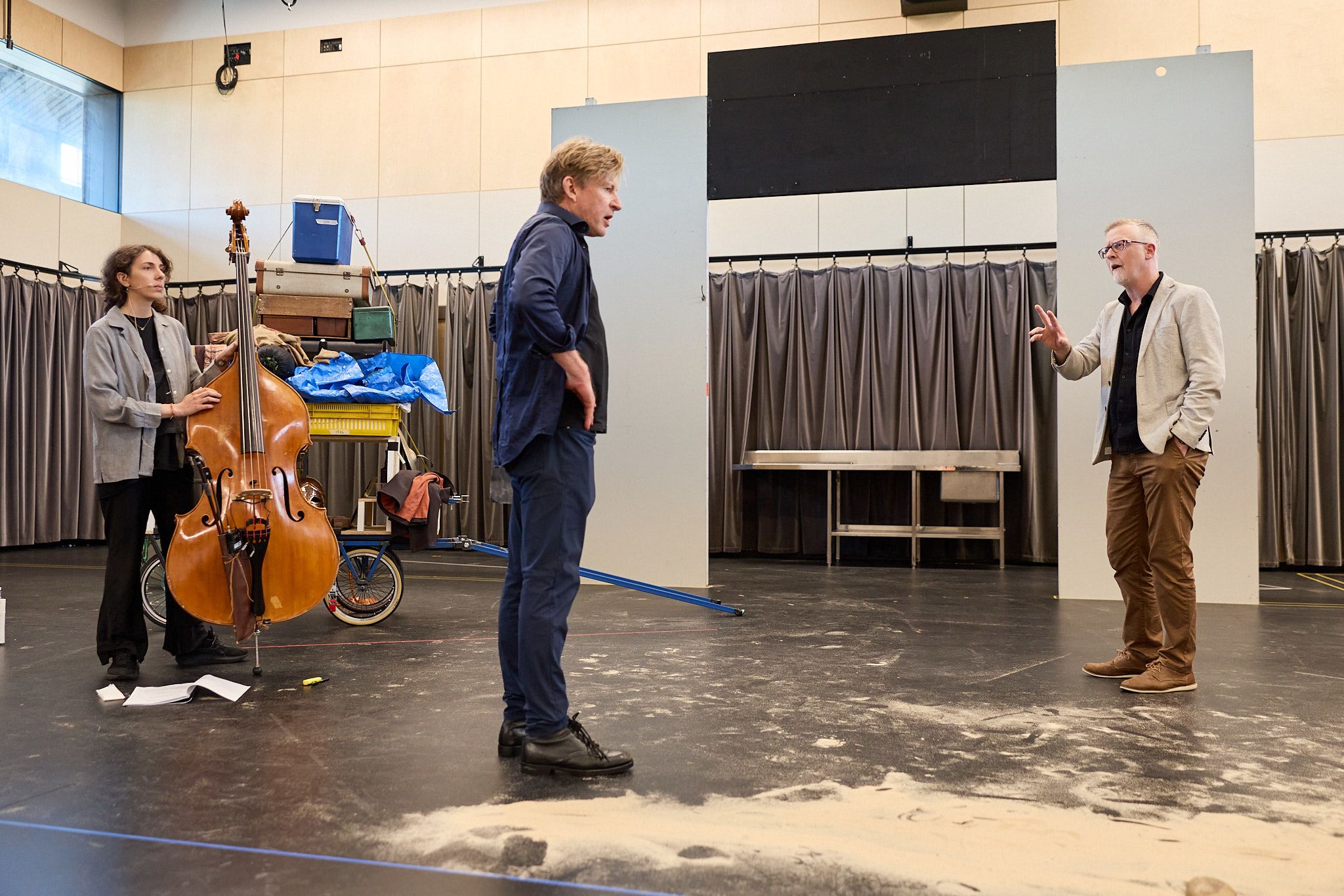
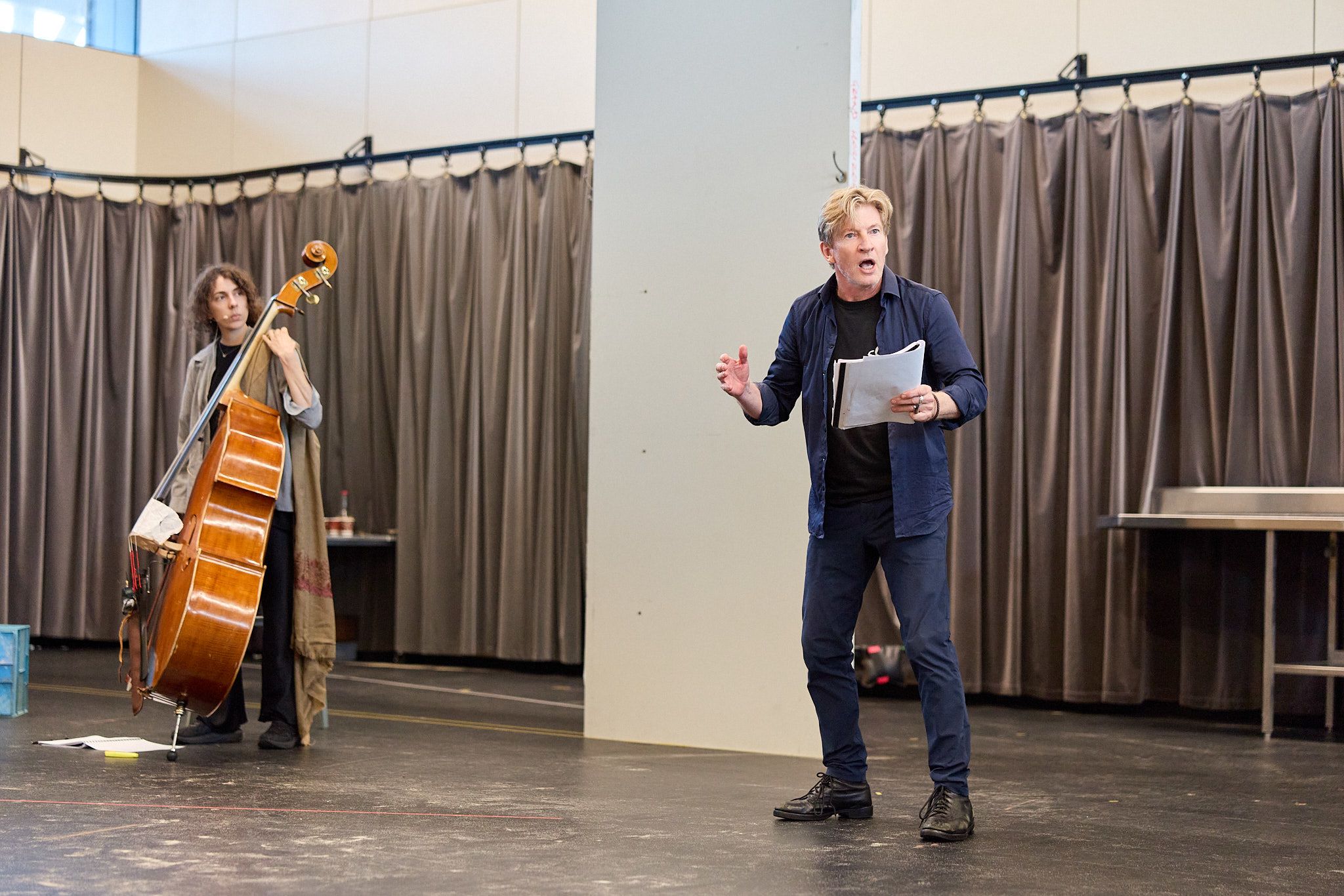
Helen Svoboda, David Wenham and Damien Ryan
David Wenham
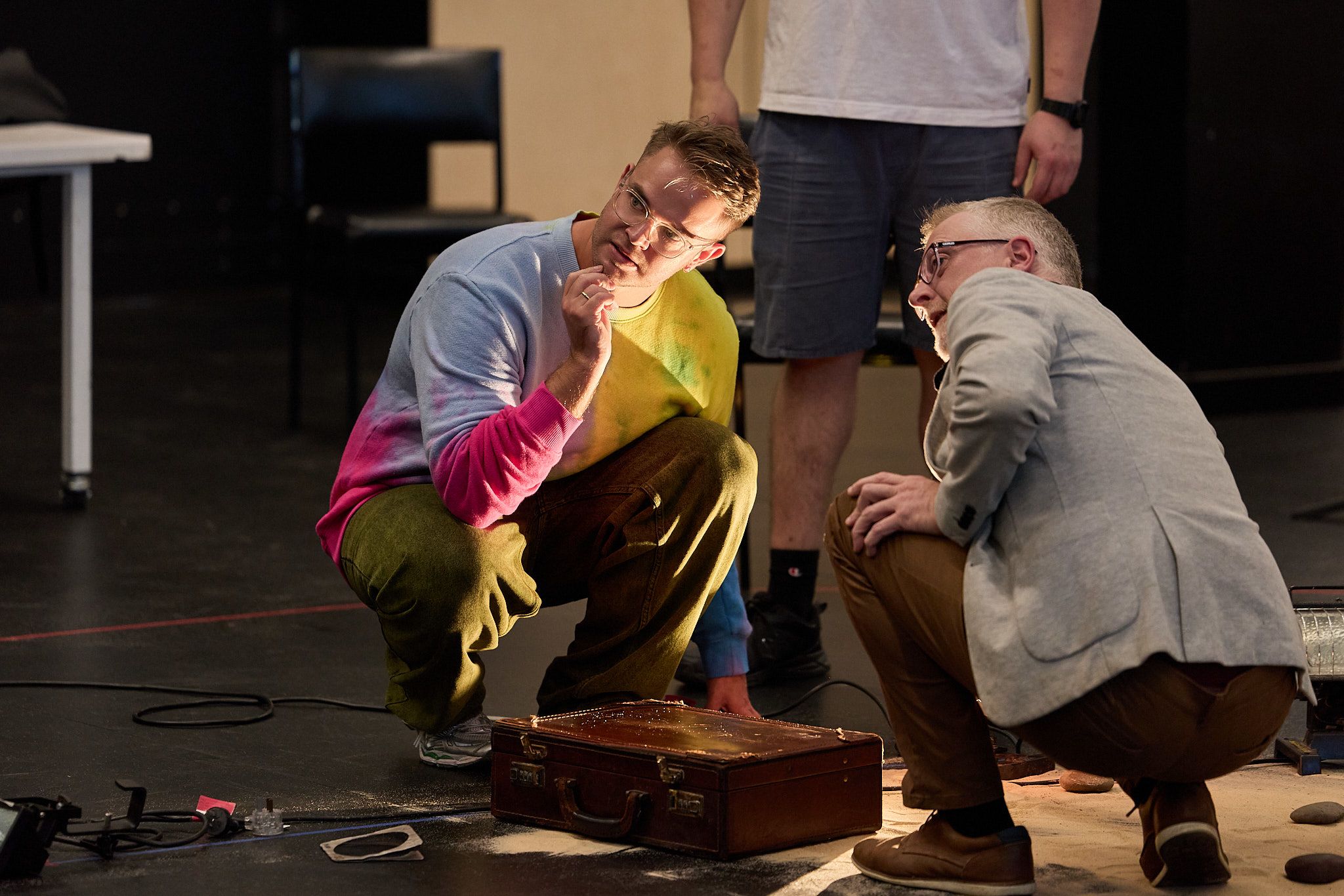
Alexander Berlage and Damien Ryan
Alexander Berlage and Damien Ryan
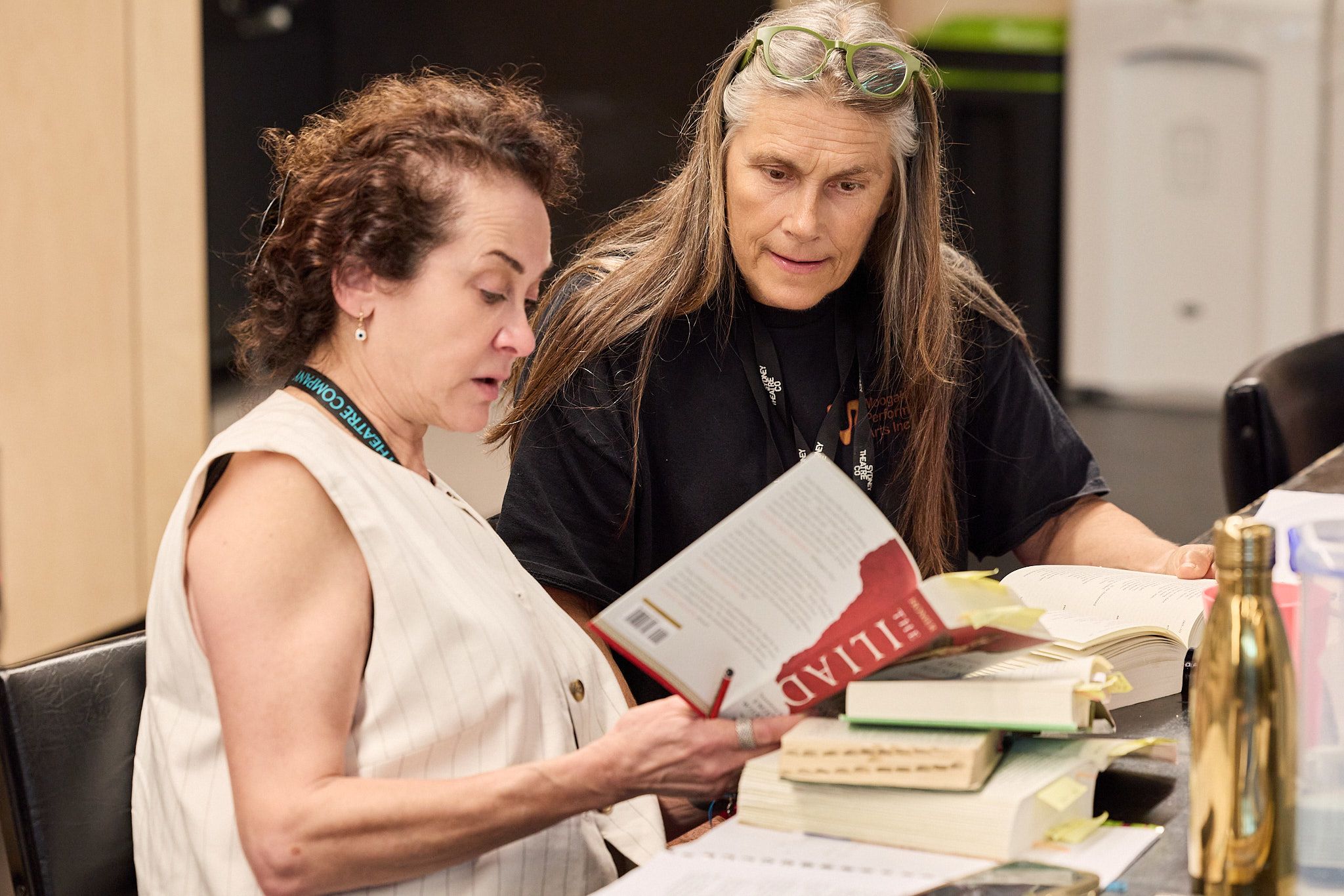
Deborah Galanos and Charmian Gradwell
Deborah Galanos
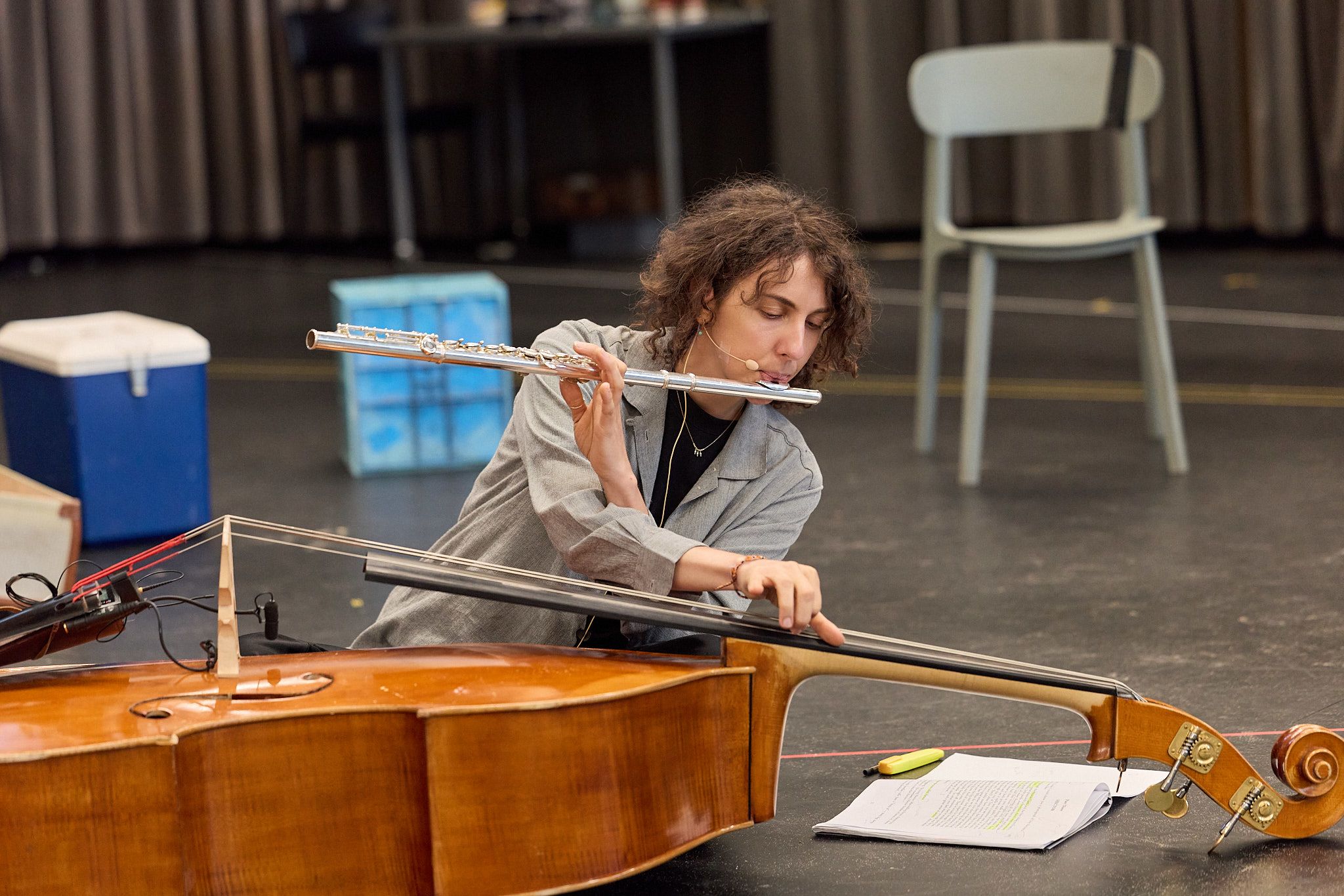
Helen Svoboda
Helen Svoboda
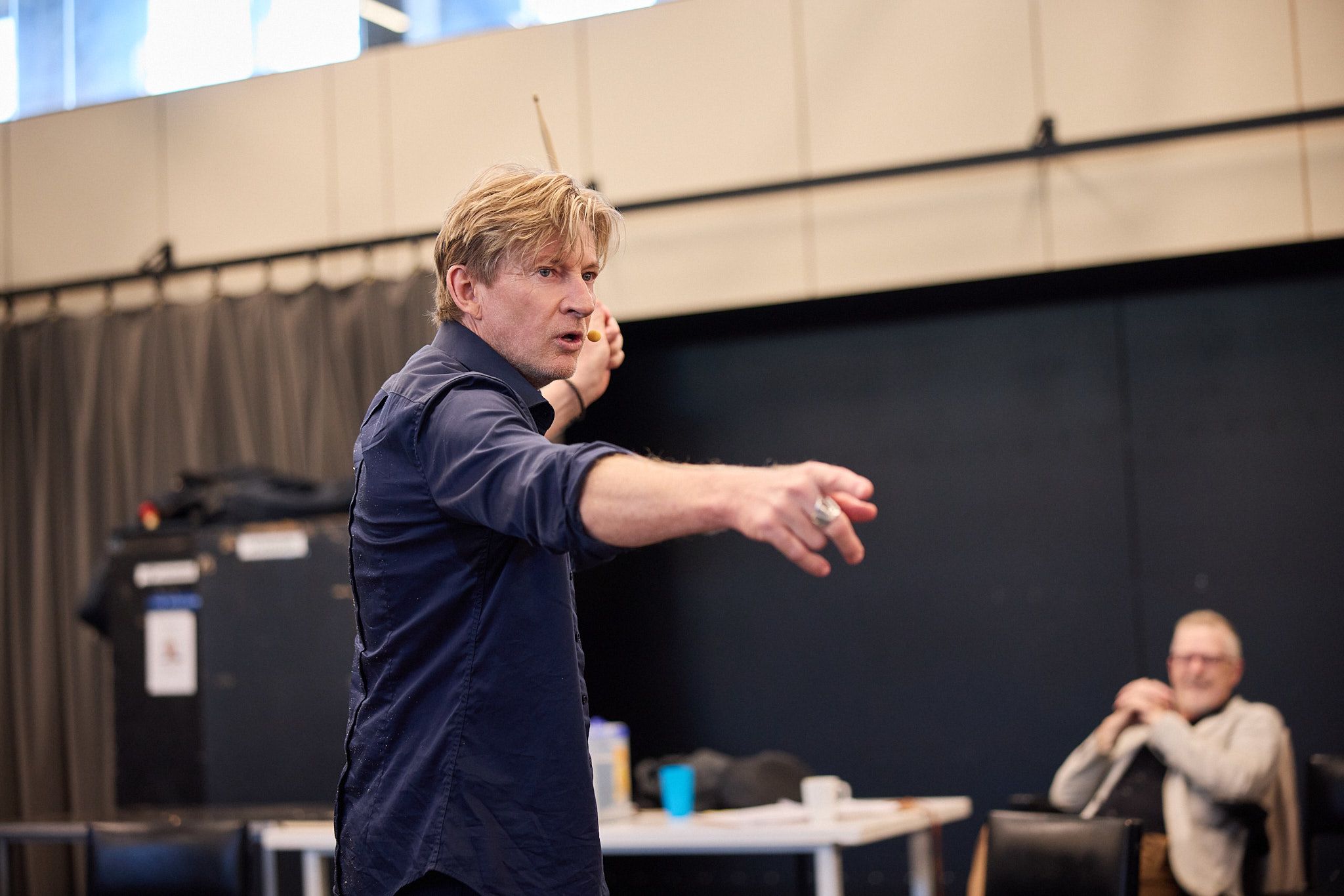
David Wenham
David Wenham


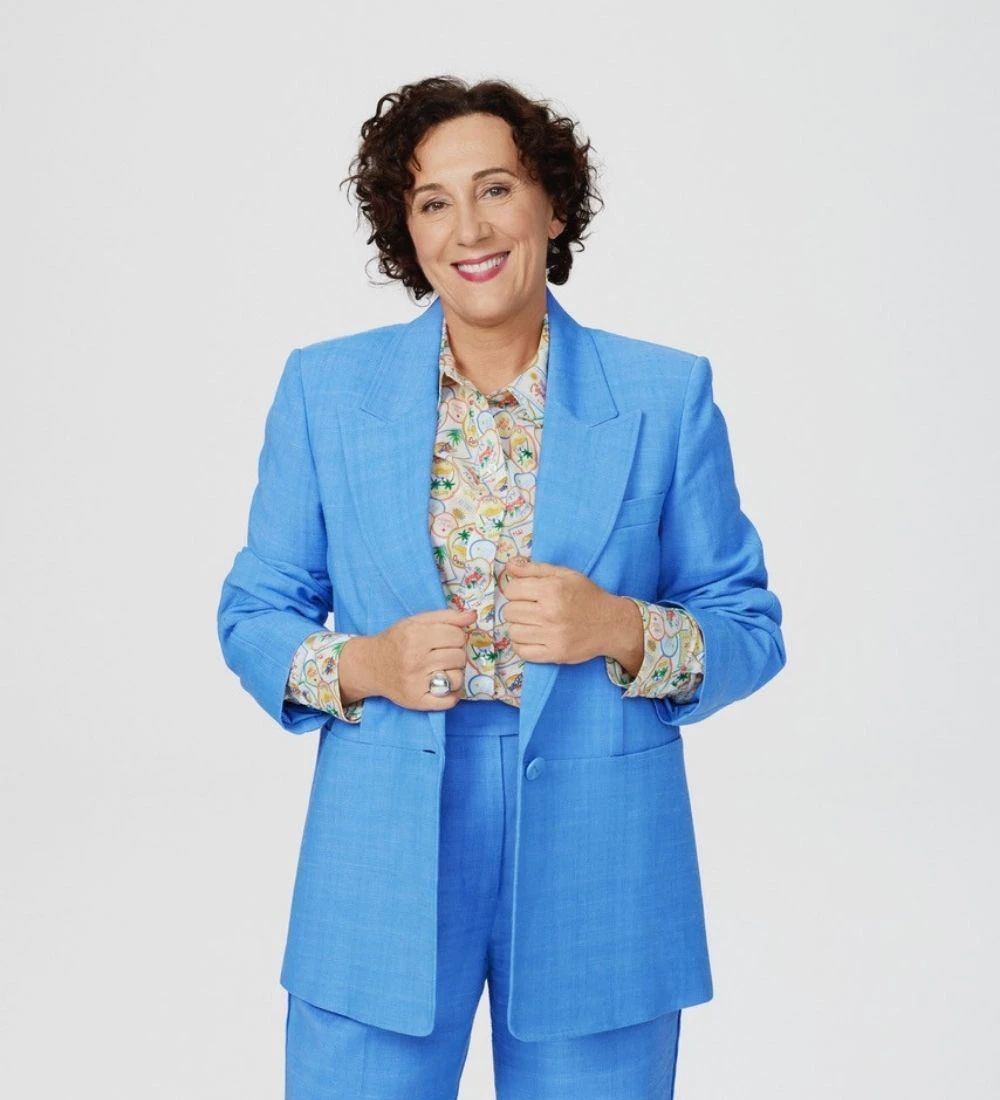
SPOTLIGHT TALKS: AN ILIAD
Classical Mythology’s Enduring Power
Join us for the first of Sydney Theatre Company's new Spotlight Talks Series as Sarah Macdonald (ABC Radio) leads a rich conversation delving into the big ideas behind An Iliad.
This talk will explore why classical mythology endures – how these ancient stories continue to evolve, shape-shift and resurface in contemporary culture, and why we return to them, sometimes reluctantly and sometimes with longing.
Find out more and book tickets here.

COMING UP
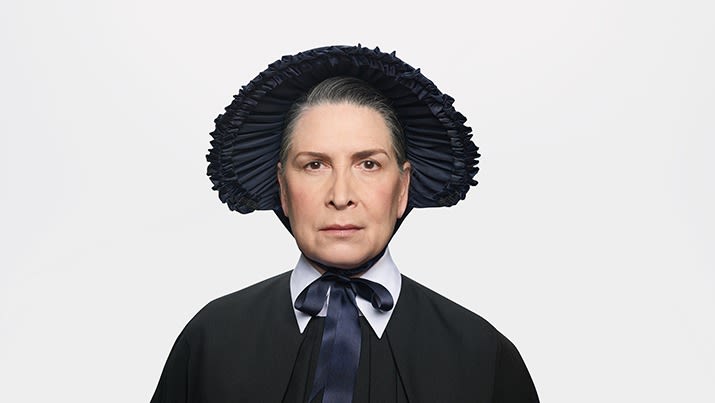
Doubt: A Parable
From 30 Jun
Stage and screen icon Pamela Rabe in one of the most memorable and electrifying plays of the twenty-first century.

Bennelong in London
From 16 Jul
A world premiere play from Jane Harrison, the singular voice behind the award-winning The Visitors and Stolen.
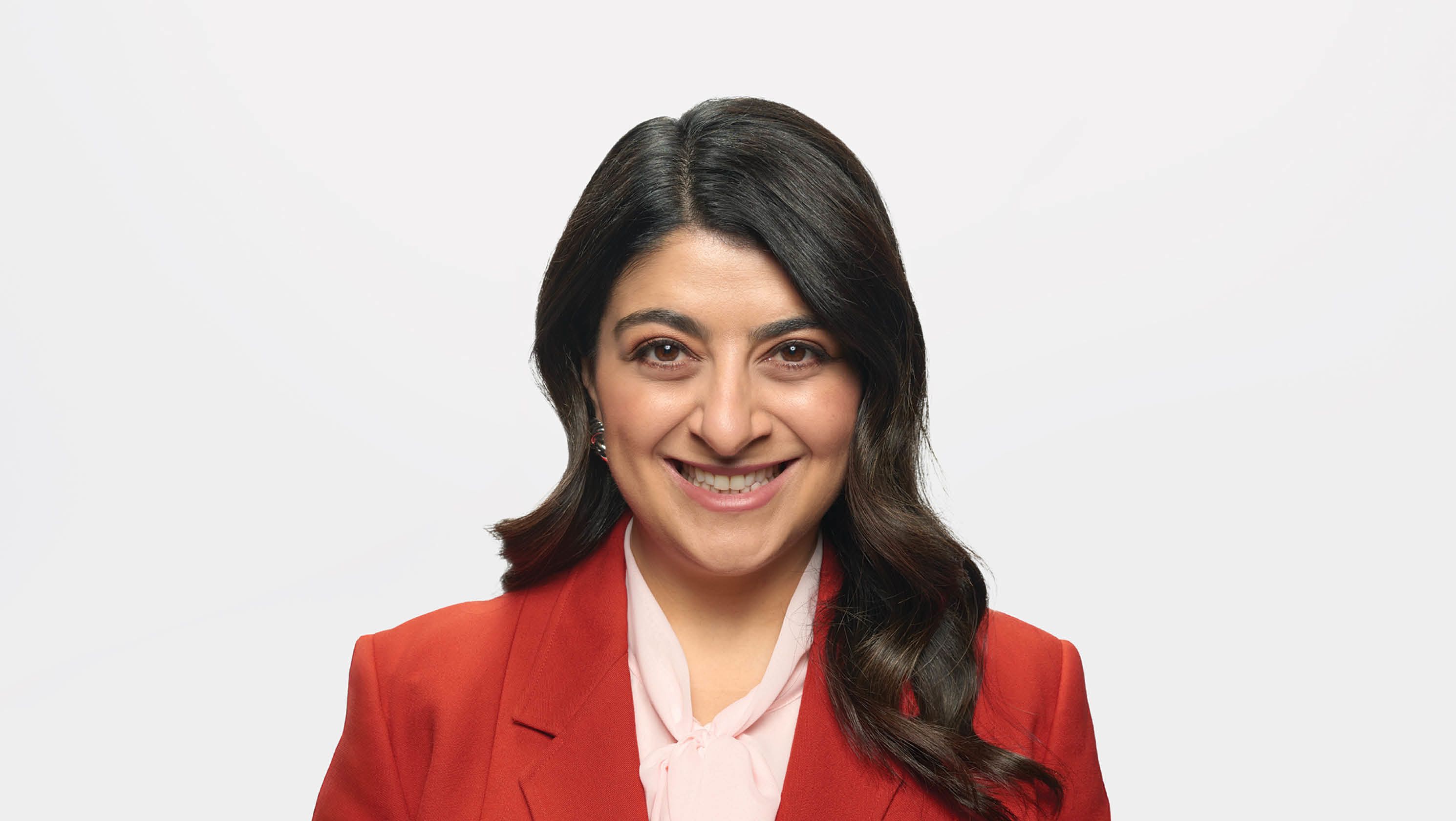
Housework
From 5 Sep
Sex scandals, culture wars, motherhood and Machiavellian manipulation – it’s all in a day’s work inside the House.
Media Planning by Anthem.
CORPORATE PARTNERS
Sydney Theatre Company is grateful to our corporate partners for their generous support of theatre and the arts. We applaud their commitment and vision.

Find out more about our current partners.
OUR DONOR COMMUNITY
Thank you to our donors at all levels, who support a bright future for STC.
View your acknowledgement.
If you would like to help STC continue to be one of the largest employers of artists and theatre-makers in Australia, please consider making a tax-deductible donation.
SYDNEY THEATRE COMPANY BOARD OF DIRECTORS
Ann Johnson (Chair)
David Craig (Deputy Chair)
Anita Belgiorno-Nettis AM
Brooke Boney
Mitchell Butel
Sarah Constable
Mark Coulter
Anne Dunn
Sam Meers AO
Heather Mitchell AM
Kate Mulvany OAM
David Paradice AO
Annette Shun Wah
Rosie Williams
See Sydney Theatre Company’s full staff list.
FOLLOW US FOR MORE
 Built with Shorthand